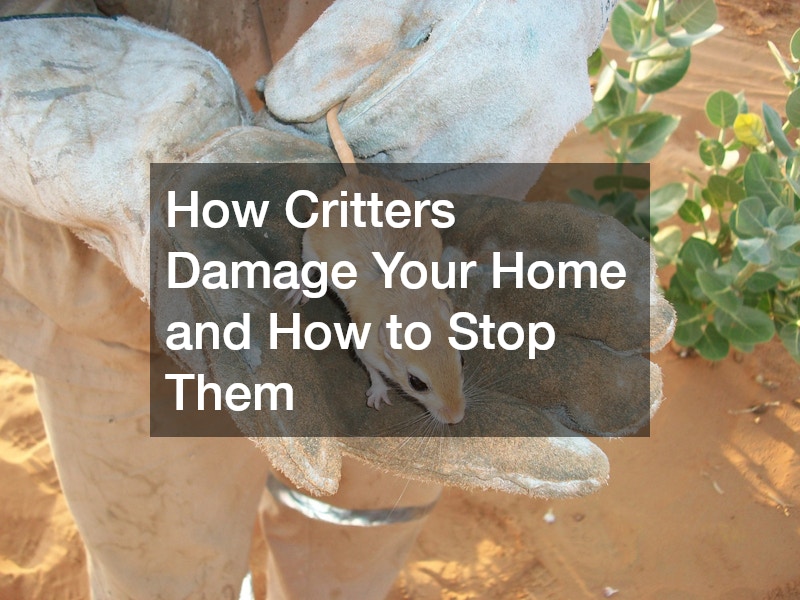
Wild animals and small pests may seem harmless when spotted outdoors, but once they enter a home, they can cause extensive and costly damage. Rodents, raccoons, squirrels, birds, insects, and even feral hogs are constantly searching for food, warmth, and shelter. Residential properties provide all three. Unfortunately, what begins as a small entry point or a minor noise in the attic can quickly escalate into structural deterioration, contaminated air systems, damaged utilities, and serious health risks.
Critter damage is often hidden behind walls, beneath foundations, or inside mechanical systems. By the time homeowners notice visible warning signs, repairs may already be significant. Gnaw marks, droppings, strange odors, and unexplained drafts are often indicators that animals have established nesting areas out of sight. In many cases, infestations expand quietly for weeks or months before becoming obvious. During that time, structural components, insulation, and wiring may already be compromised.
Understanding how these animals gain access, what types of damage they create, and how to stop them is essential for protecting both property value and personal safety. Prevention and early intervention are always more affordable and less disruptive than major reconstruction. Taking a proactive approach not only safeguards the structure itself but also reduces stress and unexpected financial burdens for homeowners. It also helps preserve energy efficiency, indoor air quality, and long-term resale value. Below, we explore the most common areas of vulnerability in a home and explain how professional services can help eliminate infestations and prevent future damage.
Protecting Your Garage from Critters
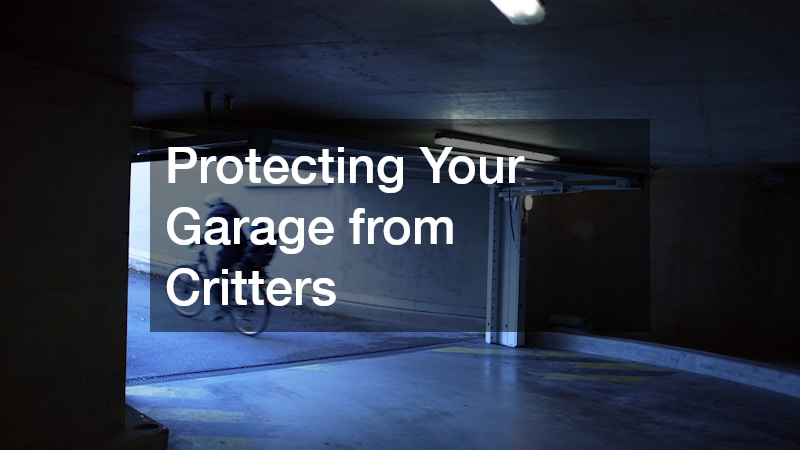
The garage is one of the most common entry points for small animals. Gaps along the bottom of overhead doors, worn weather stripping, and misaligned tracks create easy access for rodents and insects. Even a space as small as half an inch can be enough for mice to squeeze through. Larger pests, such as raccoons, can exploit weak panels or damaged corners to force entry. Seasonal temperature changes can also cause materials to expand and contract, creating new gaps over time.
Once inside, animals often nest in stored boxes, insulation, or vehicle engine compartments. Cardboard storage containers are particularly vulnerable because they provide both shelter and chewable material for nesting. If a garage is rarely used or poorly lit, it becomes even more attractive to wildlife seeking undisturbed shelter. Cluttered spaces offer countless hiding places that make detection more difficult.
Rodents frequently chew on wiring under vehicle hoods, creating expensive mechanical issues. They also gnaw on wooden framing and drywall, weakening structural components over time. If pet food, bird seed, or household trash is stored in the garage, it can attract wildlife and encourage long-term habitation. Open trash bins and improperly sealed storage containers provide easy food sources that reinforce repeated visits. Over time, repeated infestations can spread into adjacent rooms through shared framing cavities.
Many homeowners overlook subtle signs of infestation in this space. Scratching sounds at night, droppings near walls, shredded paper or insulation, grease marks along baseboards, and chewed materials all indicate activity. Ignoring these early warning signs allows the problem to spread deeper into the home through shared wall cavities and ceiling spaces. The longer the delay in addressing entry points, the more complex the remediation may become.
A professional garage door repair service can address one of the primary vulnerabilities that allows animals to enter in the first place. Technicians inspect door alignment, replace worn seals, and repair damaged panels to eliminate access points. They can also install reinforced bottom seals and weather barriers designed to withstand chewing and environmental wear. High-quality materials are more resistant to tearing and deterioration.
Beyond sealing gaps, proper maintenance ensures that doors close fully and operate smoothly. A door that does not sit flush against the ground leaves room for entry and invites pests inside. Reinforcing this barrier significantly reduces the likelihood of infestations starting in the garage and spreading throughout the house. Regular inspections after severe weather events can also prevent unnoticed damage.
Preventative measures such as keeping food sealed in airtight containers, reducing clutter, improving lighting, and inspecting perimeter seals regularly also help maintain a critter-resistant space. Motion-activated lights can deter nocturnal animals from approaching entry points. Combining routine maintenance with professional repairs creates a strong first line of defense and protects both stored belongings and structural components.
Securing Your Roof and Attic from Wildlife
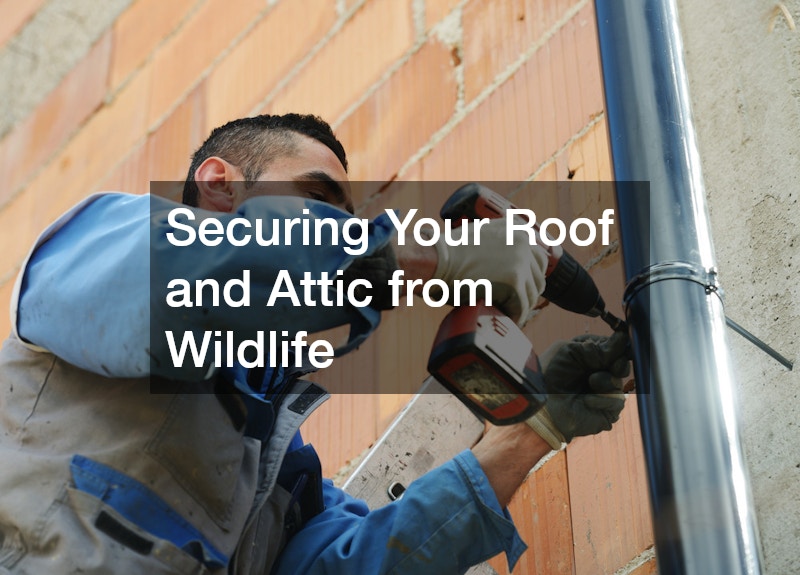
The roof and attic form another highly vulnerable area. Elevated and often less visible, these spaces provide warmth, insulation, and protection from predators. Squirrels, raccoons, birds, and rats commonly exploit damaged shingles, loose flashing, and attic vents to gain entry. Overhanging tree branches also act as bridges, giving animals easy access to rooflines. Even small construction gaps can become long-term access points.
Once inside, animals tear apart insulation for nesting material. This reduces energy efficiency and increases heating and cooling costs. Compromised insulation allows conditioned air to escape, forcing HVAC systems to work harder. They may chew through wooden rafters, weaken soffits, and damage vapor barriers. Over time, these activities compromise structural integrity and create moisture retention problems that encourage mold growth. Persistent moisture may also attract additional pests.
Chewed electrical wiring presents one of the most serious risks in attic infestations. Exposed wires can spark and ignite surrounding materials, increasing the potential for house fires. Additionally, animal waste accumulates quickly in enclosed spaces, contaminating insulation and contributing to poor indoor air quality. The strong odor of urine can also seep into living areas below, creating persistent unpleasant smells.
When roofing materials are compromised, contacting a reputable roofing company is essential. Professionals can identify entry points that may not be obvious from ground level. Damaged shingles, cracked vents, deteriorating flashing, and loose fascia boards are repaired or replaced to restore the protective barrier of the home. Routine inspections can uncover minor issues before they become major access points.
However, repairing the exterior without removing the animals inside is ineffective. That is why homeowners often require the best rat removal specialists to address active infestations. Humane trapping, exclusion techniques, and sanitation measures eliminate the immediate problem and reduce the likelihood of recurrence. Specialists also identify hidden nesting zones and seal secondary entry routes to prevent reentry.
Once animals are removed and entry points sealed, preventive upgrades such as vent covers, reinforced flashing, chimney caps, and regular roof inspections can significantly reduce future risks. Trimming back tree branches and maintaining gutters also discourages wildlife access. Addressing both structural vulnerabilities and active infestations ensures the attic remains secure, safe, and energy efficient for years to come.
Defending Your Yard and Perimeter Against Animals
Not all critter damage occurs inside the home. In many regions, wildlife such as feral hogs, deer, raccoons, armadillos, and coyotes cause significant destruction to yards and foundations. Feral hogs, in particular, are known for aggressive rooting behavior that tears up lawns, destabilizes soil, damages irrigation systems, and destroys landscaping features in a single night. Garden beds and newly planted areas are especially vulnerable.
When soil near the foundation is repeatedly disturbed, it can affect drainage patterns and compromise structural stability. Erosion and displaced soil may expose foundation footings or create uneven settling. Burrowing animals may also create tunnels beneath patios, driveways, and slabs, leading to cracking and structural movement over time. These shifts can eventually require costly leveling or foundation repair.
One of the most effective ways to deter larger wildlife is by installing durable perimeter barriers. Working with a local fencing company ensures that fencing materials and designs are suited to regional wildlife pressures and soil conditions. Reinforced posts, heavy-gauge wire, appropriate height, and buried fencing edges prevent animals from pushing through or digging underneath. Proper installation is critical to ensure long-term performance.
In areas where feral hog populations are particularly problematic, hog traps may be necessary to control destructive activity. These devices allow property owners or wildlife professionals to capture animals safely and reduce recurring damage. Strategic placement and proper monitoring are critical to ensuring effectiveness and humane handling. Coordinating with local wildlife authorities may also be advisable.
Beyond fencing and trapping, property owners should remove food sources such as unsecured trash, fallen fruit, bird feeders, or outdoor pet food. Securing compost bins and reinforcing garden beds can further reduce attraction. Maintaining proper drainage and grading also reduces standing water that may attract animals seeking hydration. Consistent yard maintenance plays an important preventive role.
Addressing yard intrusions promptly protects landscaping investments and prevents secondary structural damage. Establishing a secure perimeter minimizes repeated invasions and supports long-term property stability while preserving curb appeal and outdoor living spaces.
Safeguarding Your Plumbing from Pests
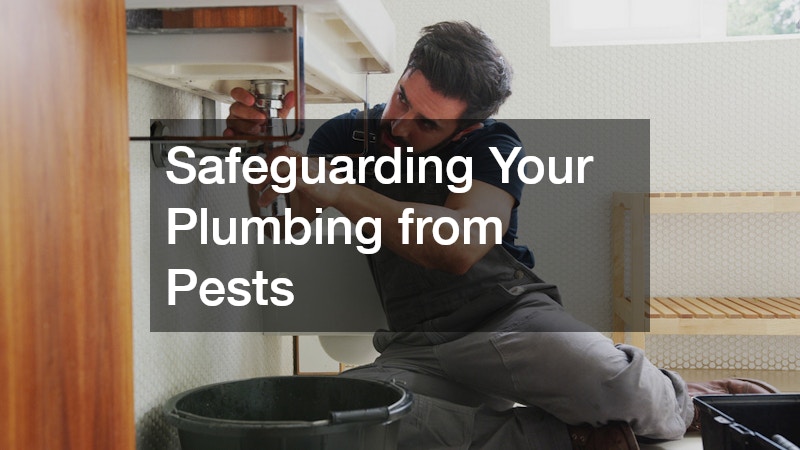
Plumbing systems provide another hidden pathway for critters. Rodents are capable swimmers and can travel through sewer lines in search of food and warmth. Cracked pipes, broken seals, and improperly capped cleanouts allow them to enter crawl spaces and interior walls undetected. Older plumbing systems may be particularly vulnerable to intrusion.
Grease accumulation in drain lines can also attract pests. Food residue buildup creates strong odors that lure rodents and insects toward plumbing systems. In commercial properties and some residential setups, grease traps are essential for preventing excessive waste from entering sewer systems. When these systems are poorly maintained, they can contribute to clogs, foul smells, and increased pest activity. Regular servicing significantly reduces these risks.
In some cases, animals chew through plastic pipes or create nests that block water flow. This can result in slow drains, sewage backups, and water damage behind walls. Persistent moisture caused by leaks further attracts insects such as cockroaches and termites, compounding the issue and increasing health concerns.
Homeowners who notice slow drains, gurgling sounds, unusual odors, or recurring backups should consider professional plumbing services. Licensed plumbers can inspect sewer lines using camera technology to identify cracks, blockages, or intrusion points. Early detection prevents small issues from turning into major structural repairs. Timely repairs also reduce sanitation risks.
Repairing damaged pipes, sealing entry gaps, and ensuring proper venting protects both sanitation systems and structural components. Backflow prevention devices can also stop rodents from entering through sewer connections. Ignoring plumbing vulnerabilities allows pests to spread unnoticed behind walls, where damage becomes more extensive and costly to repair.
Routine maintenance, proper waste disposal, and timely repairs significantly reduce plumbing-related pest risks. Keeping water and sewer systems secure is essential for maintaining a hygienic, odor-free, and structurally sound home.
Preventing HVAC System Contamination from Creatures
Heating and air conditioning systems often provide warm, sheltered environments that attract animals. Outdoor condenser units can become nesting sites for rodents, while ductwork offers concealed pathways throughout the home. Small openings around refrigerant lines or vent penetrations provide easy access into wall cavities and ceilings. Units located near shrubs or debris are especially attractive to nesting animals.
When animals enter duct systems, they leave behind droppings, fur, nesting debris, and sometimes deceased remains. This contamination circulates through indoor air, reducing air quality and potentially triggering allergies or respiratory issues. Damaged insulation inside ducts also decreases energy efficiency and disrupts airflow balance. Blocked vents may create uneven temperatures throughout the home.
An experienced air conditioning contractor can inspect outdoor units for signs of nesting and damage. Chewed wires, blocked airflow, bent fins, and displaced insulation can impair system performance and lead to expensive repairs if not addressed promptly. Rodents may also damage control wiring, causing intermittent system failures that are difficult to diagnose.
Air duct cleaning becomes necessary when contamination has already occurred. Professional cleaning removes debris, sanitizes ductwork, and restores proper airflow. This process improves indoor air quality and eliminates persistent odors associated with animal waste. It also helps HVAC systems operate more efficiently by removing airflow obstructions.
In addition to cleaning, technicians may recommend installing protective screens over vents, sealing duct joints, and reinforcing entry points around utility penetrations. Routine maintenance of air conditioning systems ensures that small issues are corrected before they escalate into costly damage. Scheduled inspections provide added peace of mind.
Regular inspections, filter changes, and prompt attention to unusual noises or odors help homeowners detect issues early. Protecting HVAC systems from animal intrusion preserves comfort, efficiency, and overall system lifespan while maintaining a healthier indoor environment.
Wildlife and small pests can cause extensive damage when they find their way into residential properties. From structural deterioration and electrical hazards to contaminated air systems and compromised plumbing, the consequences of unchecked infestations can be both costly and dangerous. The key to minimizing risk lies in early detection, professional intervention, and preventative maintenance. Strengthening exterior barriers, maintaining mechanical systems, and addressing vulnerabilities promptly prevents small issues from escalating into major repairs. By understanding where and how critters cause damage, homeowners can take proactive steps to safeguard their investment and maintain a safe, healthy living environment for years to come.