Reducing energy waste in your home is one of the smartest ways to save money, protect the environment, and improve comfort for your family. Many homeowners focus on small fixes, but the most significant improvements often come from targeted renovations that address inefficiencies across your property. From heating and cooling systems to structural updates, energy-conscious renovations can make your home both more sustainable and more cost-effective.
Even minor adjustments can have a big impact when combined with strategic upgrades. Smart planning ensures that renovations do more than just look good—they directly lower your energy consumption while improving the safety, comfort, and longevity of your home. In this guide, we’ll explore a range of renovations that significantly reduce energy waste. Each recommendation is practical, actionable, and supported by modern home technology and professional services.
By addressing energy efficiency throughout your home, you can protect your family from rising utility costs while enhancing overall functionality. These renovations focus on areas that often get overlooked, from electrical systems to structural components, giving you a comprehensive plan for a smarter, greener home.
1. Upgrade Outdated Wiring and Electrical Systems
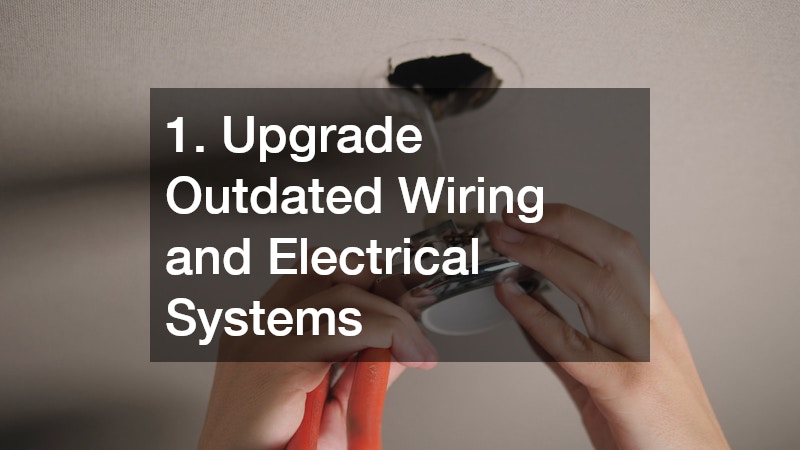
Older homes often have wiring and electrical systems that aren’t designed to handle modern energy demands efficiently. This can lead to energy waste, higher utility bills, and even safety hazards. Upgrading outdated systems ensures your home is prepared for current and future energy needs.
Hiring a licensed electrical contractor can help identify inefficiencies, such as circuits that consume more power than necessary or outdated panels that cannot handle modern loads. Electrical contractors can also recommend energy-efficient solutions for lighting, outlets, and circuit design. Regular maintenance and upgrades prevent unnecessary energy loss while reducing the risk of electrical failures.
Working with a professional ensures that the job is done safely and up to code. Electrical upgrades not only save energy but also enhance the reliability of your home’s electrical system. Investing in a modern, energy-efficient electrical system pays off by lowering long-term energy costs and providing peace of mind.
2. Ensure Your Wiring Is Safe and Efficient
Beyond major electrical upgrades, it’s important to maintain your home’s daily energy efficiency through proper wiring inspection and repair. Residential electricians specialize in evaluating wiring health and addressing minor issues that contribute to energy waste.
Residential electricians can detect areas where energy leaks occur due to poor connections, outdated components, or faulty installations. By addressing these issues, you prevent energy from being unnecessarily lost while enhancing overall home safety. Many homeowners overlook minor inefficiencies, but over time, these small issues can add up to significant energy waste.
Having a qualified residential electrician regularly inspect and maintain wiring ensures that your home operates efficiently. Routine checks and upgrades reduce energy loss, extend the lifespan of your electrical system, and create a safer, more efficient home environment for your family.
3. Backup Power and Energy Storage
During power outages or grid instability, homes often rely on inefficient solutions such as running appliances on manual generators or letting systems idle. Investing in a professional generator company can improve energy management and reduce waste by providing reliable, efficient backup power.
A generator company can assess your home’s energy needs and install a generator system that operates efficiently under various conditions. Modern generators use fuel more effectively and can be integrated with home energy systems to maintain essential appliances without wasting energy. This ensures that your home remains functional during outages while minimizing energy loss.
By working with an experienced generator company, homeowners can implement a system that supports both energy efficiency and reliability. Backup power solutions also allow families to avoid relying on inefficient temporary measures, contributing to overall energy conservation.
4. Upgrade Water Heating Systems
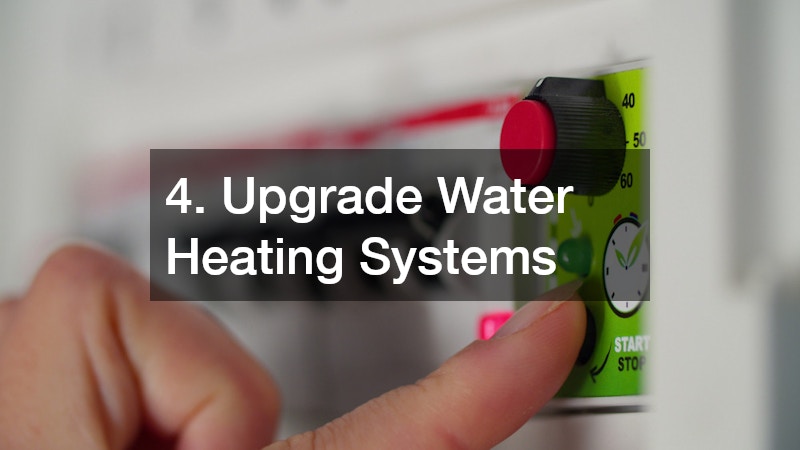
Water heating accounts for a substantial portion of household energy use. Inefficient water heaters waste energy by heating more water than necessary or maintaining temperature without need. Addressing this issue through professional water heater repairs can significantly reduce energy consumption.
Water heater repairs focus on improving efficiency, ensuring the system only uses energy when necessary, and fixing leaks or malfunctions that lead to waste. Timely maintenance keeps the system operating optimally, extending its lifespan and reducing unnecessary energy costs. Professionals can also recommend energy-efficient replacements if repairs are no longer sufficient.
By scheduling regular water heater repairs, families can enjoy reliable hot water while minimizing waste. This is a practical step toward energy conservation that also improves comfort and reduces the risk of unexpected breakdowns.
5. Efficient Plumbing Solutions
Leaky pipes, outdated fixtures, and inefficient plumbing layouts contribute to energy waste in many homes. Plumbing service providers can evaluate and repair these inefficiencies, helping your home conserve water and reduce energy consumption associated with heating and moving water.
Plumbing service professionals install low-flow fixtures, repair leaks, and optimize the layout of water systems to prevent unnecessary energy use. Even minor improvements, such as repairing dripping faucets or insulating hot water lines, can have a significant cumulative effect on energy conservation.
Working with a reliable plumbing service ensures that your home’s water systems operate efficiently. Efficient plumbing not only reduces energy waste but also protects your home from water damage and improves comfort for everyone in the household.
6. Garage Efficiency and Energy Conservation
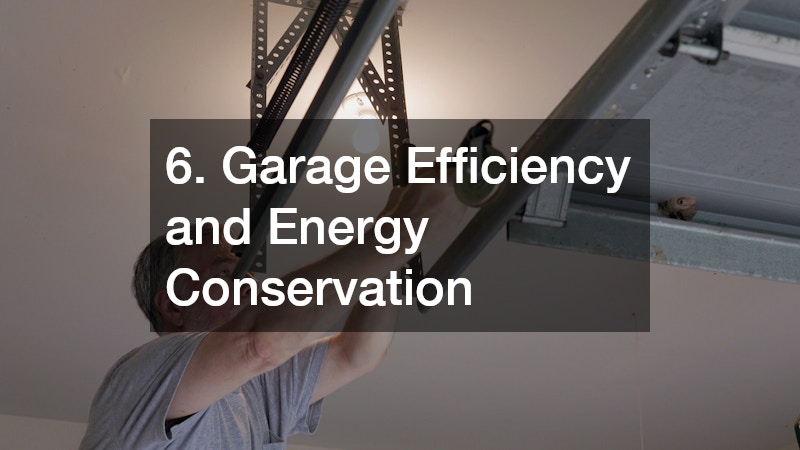
Garages are often overlooked when it comes to energy efficiency, yet they can be a source of heat loss, drafts, and wasted energy. Investing in garage door services can improve insulation, seal gaps, and ensure doors operate efficiently.
Garage door services focus on maintaining proper alignment, replacing worn weatherstripping, and upgrading insulation where needed. These improvements prevent energy loss by reducing the exchange of hot or cold air with the outdoors. A well-maintained garage also protects vehicles and stored items while supporting overall home efficiency.
By scheduling routine garage door services, homeowners can reduce unnecessary energy consumption and improve comfort in adjacent living spaces. Energy-efficient garages contribute to the broader goal of a greener, more sustainable home.
7. Heating and Cooling System Upgrades
Heating, ventilation, and air conditioning account for a large portion of household energy use. HVAC service professionals can optimize performance, improve energy efficiency, and reduce waste by maintaining or upgrading existing systems.
HVAC service providers evaluate system efficiency, clean ducts, replace filters, and adjust components for optimal performance. They can also recommend energy-efficient upgrades that reduce heating and cooling costs without sacrificing comfort. Regular maintenance ensures the system operates at peak efficiency, extending its lifespan and reducing energy waste.
Investing in HVAC service helps families maintain a comfortable living environment while conserving energy. Efficient heating and cooling are essential for both cost savings and sustainable living, making professional support critical for long-term energy conservation.
8. Protect Your Home From Roof Inefficiencies
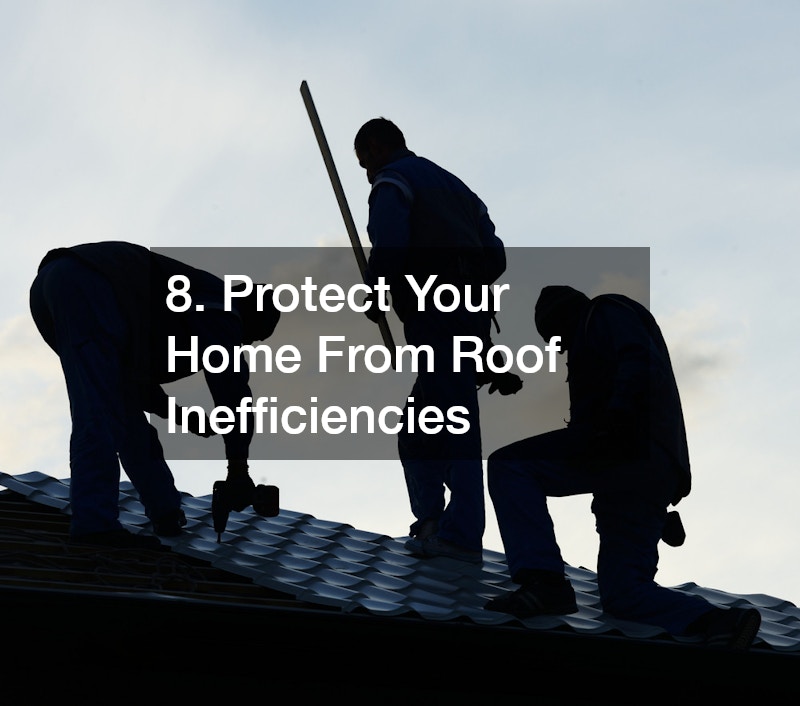
A poorly maintained roof can lead to heat loss, air leaks, and water damage that all contribute to wasted energy. Roof repairs and maintenance ensure your home stays insulated, protected, and energy-efficient throughout the year.
Roof repairs and maintenance include fixing leaks, replacing damaged shingles, improving insulation, and sealing gaps that allow air to escape. Addressing these issues prevents energy loss and supports the overall performance of heating and cooling systems. A well-maintained roof also extends the life of the home and protects structural integrity.
By prioritizing roof repairs and maintenance, homeowners can reduce energy waste while avoiding costly damage. These improvements play a critical role in creating a more efficient and resilient home environment.
9. Upgrade Windows and Glass
Windows are one of the most critical elements affecting home energy efficiency. Old, drafty, or damaged windows allow heat to escape during the winter and let unwanted warmth in during the summer, forcing heating and cooling systems to work harder and consume more energy. Even small issues such as worn seals, cracks, or warped frames can significantly impact indoor comfort and utility costs. Addressing window inefficiencies not only improves temperature control but also enhances overall energy performance throughout the home, making this a high-priority renovation for families looking to reduce energy waste.
Glass repairs are an essential step in restoring or maintaining the performance of your windows. Repairing cracked panes, broken seals, or fogged glass improves insulation and prevents drafts from entering the home. Properly maintained windows create a barrier that stabilizes indoor temperatures, reduces energy consumption, and allows heating and cooling systems to operate more efficiently. In addition, energy-efficient glass options can help minimize glare, protect interiors from harmful UV rays, and enhance natural lighting, contributing to a more comfortable and enjoyable living environment.
Working with professionals for glass repairs ensures that each window is evaluated, repaired, or upgraded correctly for maximum energy efficiency. Experienced technicians can identify hidden issues that might otherwise go unnoticed, such as subtle frame warping or seal deterioration, and implement long-lasting solutions. By combining glass repairs with potential upgrades to energy-efficient window models, homeowners gain both immediate and long-term benefits, including lower energy bills, improved indoor comfort, and increased property value. This practical renovation is a cost-effective way to make a home more sustainable, comfortable, and efficient for years to come.
10. Enhance Entryways and Doors
Drafty or poorly insulated doors are a surprisingly common source of energy loss in many homes. Even small gaps around frames or worn weatherstripping can allow warm or cool air to escape, forcing heating and cooling systems to work harder to maintain comfortable indoor temperatures. Over time, this not only drives up energy bills but also reduces the overall efficiency of other energy-saving improvements you may have implemented elsewhere in your home. Addressing door-related issues is an easy and impactful way to prevent unnecessary energy waste while improving comfort throughout the living space.
Door replacements provide multiple benefits beyond insulation alone. Modern, energy-efficient doors are designed with advanced materials, improved seals, and enhanced construction techniques that reduce drafts and improve thermal performance. These upgrades help maintain consistent indoor temperatures year-round, ensuring that your HVAC system does not have to compensate for heat loss or gain. Professional installation is essential to ensure proper alignment, accurate fit, and airtight sealing, which maximizes the energy-saving potential of the new doors. Additionally, modern doors often include security enhancements, providing peace of mind along with efficiency gains.
Investing in door replacements also offers aesthetic and financial advantages. High-quality doors improve curb appeal, creating a welcoming first impression and potentially increasing the resale value of your home. When combined with other energy-efficient home improvements—such as window upgrades, insulation, and roof repairs—replacing doors contributes to a cohesive, sustainable strategy for reducing energy consumption. This straightforward renovation delivers immediate results in comfort, energy savings, and home value, making it one of the most practical and effective improvements a homeowner can make.
11. Holistic Approach to Energy-Saving Renovations
The key to reducing energy waste is taking a holistic approach that addresses all major energy drains in the home. From electrical and plumbing systems to insulation, doors, and windows, a comprehensive strategy ensures maximum efficiency.
Coordinating renovations across multiple areas of the home creates synergistic effects, where each improvement supports the others. For example, door replacements complement HVAC upgrades, and roof repairs enhance the impact of window and insulation improvements. Professionals like electrical contractors, residential electricians, and plumbing service providers play a vital role in implementing these changes safely and effectively.
By approaching energy-saving renovations strategically, homeowners can achieve significant reductions in energy consumption. A combination of professional services, high-quality materials, and smart upgrades ensures that your home operates efficiently for years to come.
Reducing energy waste in your home is both a smart financial decision and a step toward a more sustainable lifestyle. By focusing on strategic renovations—such as upgrading electrical systems, improving insulation, repairing windows and doors, and maintaining heating, cooling, and water systems—homeowners can significantly lower energy consumption while enhancing comfort and safety.
The key is to approach energy efficiency as a holistic process rather than a series of isolated fixes. Each improvement reinforces the others, creating a home that operates more effectively, costs less to run, and provides a healthier environment for your family. Whether it’s investing in professional services like residential electricians, HVAC service, or a generator company, or completing repairs such as roof maintenance, glass repairs, and water heater repairs, every action counts toward reducing waste.
Taking these steps now not only saves energy and money but also increases the long-term value of your home. By prioritizing energy-efficient renovations, homeowners can enjoy a more comfortable, resilient, and eco-friendly living space while contributing to a greener future. Start with one improvement today and build a comprehensive plan for a home that truly maximizes efficiency.