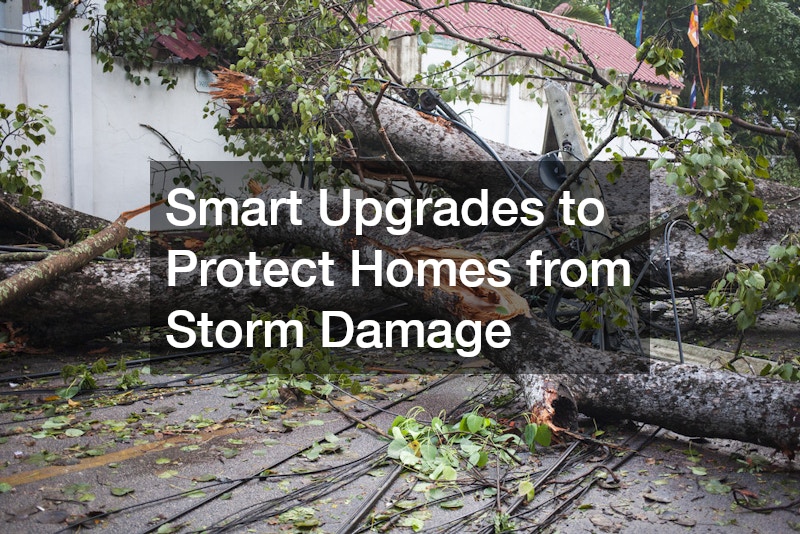
Severe weather events are becoming more frequent, more intense, and more costly for homeowners across many regions. High winds, heavy rain, flooding, and flying debris can combine to pose significant structural risks to residential properties. The good news is that modern home improvement strategies allow homeowners to dramatically reduce vulnerability through smart, proactive upgrades rather than reactive repairs after the fact.
A well-prepared home is not just about survival during a storm—it’s about maintaining safety, minimizing damage, preserving property value, and reducing long-term repair expenses. By investing in targeted improvements across key areas of the home, homeowners can build resilience into the structure itself.
This article explores practical, high-impact upgrades that strengthen homes against extreme weather, improve emergency preparedness, and enhance long-term durability.
1. Identifying Structural Weak Points Before Severe Weather Hits
Every effective protection plan begins with understanding where a home is most vulnerable. Many homeowners underestimate how small weaknesses can lead to major failures during extreme weather events. High winds and water intrusion often exploit existing structural gaps, leading to costly repairs and safety hazards.
The most common areas of concern include roofing edges, exterior siding, foundation drainage, and openings such as doors and windows. Homes that have previously experienced storm damage are especially at risk for recurring issues if those weaknesses were not fully addressed.
Key steps for a vulnerability assessment:
- Walk the entire exterior of the home and look for cracks, gaps, or deterioration
- Inspect roof shingles, flashing, and gutters for signs of wear
- Check for water stains inside ceilings or walls
- Evaluate drainage around the foundation after rainfall
- Review past insurance claims or repair history
A professional inspection can also help identify hidden risks that are not visible to the untrained eye. Addressing these issues early reduces the likelihood of major structural failure during future storms.
Understanding storm damage patterns in your specific region also helps prioritize upgrades. Coastal areas, for example, may require stronger wind resistance, while inland regions may need improved flood protection.
2. Strengthening Entry Systems Against High-Wind Pressure
Doors and window systems are among the most vulnerable parts of any home during extreme weather. When high winds penetrate these openings, they can create dangerous pressure imbalances inside the structure, increasing the risk of roof failure or wall collapse.
Modern reinforcement solutions focus on both impact resistance and structural anchoring. Homeowners increasingly turn to advanced systems designed specifically for hurricane-prone environments, including impact-resistant hurricane windows and doors.
Benefits of upgraded entry systems:
- Reduced the risk of glass shattering from flying debris
- Improved insulation against wind-driven rain
- Increased structural stability during pressure changes
- Enhanced home security year-round
When selecting products, it’s important to carefully evaluate hurricane impact door manufacturers. Not all products are built to the same standards, and quality can vary significantly. Look for manufacturers that meet or exceed local building codes and provide verified impact testing results.
Professional installation is just as important as product quality. Even the strongest doors and windows can fail if improperly installed, making certified installers a critical part of the upgrade process.
3. Upgrading Glass Protection for Wind and Debris Resistance
Windows are one of the most common failure points during storms, especially when exposed to airborne debris. Upgrading to reinforced glass systems helps prevent interior damage and reduces the likelihood of structural compromise.
Modern impact-resistant systems are designed with a layered construction that holds glass together even when cracked. This prevents dangerous shards from entering the home and maintains a protective barrier against wind and rain.
Key advantages include:
- Laminated glass layers that absorb impact energy
- Stronger framing systems that resist bending and flexing
- Reduced noise infiltration during storms
- Improved energy efficiency year-round
Homeowners should also consider the frame material. Aluminum and reinforced vinyl frames often offer better long-term durability than standard wood frames in high-stress environments.
Installation quality is critical. Proper sealing and anchoring ensure the system performs as intended under extreme pressure conditions.
4. Ensuring Reliable Power When the Grid Fails
Power outages are one of the most disruptive consequences of severe weather. Without electricity, essential systems such as refrigeration, lighting, medical devices, and communication tools may become unavailable. Backup power systems provide a critical safety net during extended outages.
Professional generator installation ensures that backup systems are properly integrated into a home’s electrical system. This allows for automatic or manual activation when grid power fails.
Benefits of whole-home backup systems:
- Continuous power supply during outages
- Seamless transition between utility and backup power
- Ability to run essential appliances and systems
- Increased comfort and safety during emergencies
A whole-house generator offers the most comprehensive solution, powering an entire home rather than select appliances. These systems are typically installed outside the home and connected directly to the electrical panel.
Proper sizing is essential. An undersized system may not support all necessary loads, while an oversized system may increase fuel consumption unnecessarily.
5. Selecting the Right Backup Power Fuel and System Type
Not all backup power systems operate the same way, and fuel choice plays a major role in performance, cost, and convenience. Homeowners often evaluate different brands and fuel sources when choosing a long-term solution.
Many homeowners prefer Generac generators due to their reputation for reliability and automatic operation during outages. These systems are widely used in residential applications and offer scalable options depending on home size.
Fuel considerations:
- Natural gas offers a continuous supply, where available
- Diesel provides high power output but requires fuel storage
- Propane generator systems offer long shelf life and stable storage
Propane is especially useful in areas where natural gas is not available. It can be stored safely on-site and used during extended outages without requiring refueling logistics.
When comparing systems, consider:
- Fuel availability in your area
- Maintenance requirements
- Noise levels during operation
- Startup automation features
Long-term operating costs should also be factored into the decision-making process, not just the initial purchase price.
6. Maintaining Continuous Backup Power for Critical Situations
Backup power systems are only effective if they function properly when needed. Regular maintenance and testing ensure that emergency systems are ready to activate instantly during a storm.
Emergency generators play a vital role in providing immediate power restoration during outages. These systems are designed to activate quickly and support essential household functions without delay.
Maintenance best practices:
- Run system tests monthly under load conditions
- Check fuel levels and storage safety regularly
- Inspect battery systems for corrosion or wear
- Schedule annual professional servicing
Additional considerations include automatic transfer switches, which allow the system to switch between utility and backup power without manual intervention. This is especially important when homeowners are away during a storm event.
Proper upkeep ensures reliability, which is critical when weather conditions prevent access to repair services.
7. Reinforcing Large Exterior Access Points for Wind Resistance
Large exterior openings, particularly garage entrances, can become major structural weaknesses during high-wind events. If these areas fail, wind can enter the home and cause internal pressure buildup that leads to roof or wall failure.
A properly reinforced garage door system is essential for protecting the overall structure. Wind-rated models are designed to withstand higher pressure loads and reduce the risk of collapse.
Key upgrade considerations:
- Wind-rated reinforcement kits
- Heavy-duty tracks and rollers
- Improved anchoring systems
- Impact-resistant panel construction
Working with a professional garage door company ensures that installations meet safety standards and are properly secured to the structure. Technicians can also assess whether existing systems can be reinforced or if full replacement is necessary.
Routine inspections should be performed to ensure hardware remains tight and functional over time.
8. Enhancing Home Intelligence for Weather Preparedness
Smart home technology has become an important part of modern storm preparation strategies. These systems provide real-time monitoring, automated controls, and remote access capabilities that improve response times during emergencies.
Useful smart upgrades include:
- Weather alert integration systems
- Remote-controlled shutters and entry locks
- Automated power shutoff systems
- Structural monitoring sensors
These tools allow homeowners to take immediate protective action even when they are not physically present. For example, automated systems can close protective barriers or shut off utilities when severe weather warnings are issued.
Mobile applications provide centralized control, allowing users to monitor system status, receive alerts, and manage emergency settings remotely.
9. Managing Water Flow and Exterior Protection Systems
Water intrusion is one of the leading causes of property damage during storms. Proper drainage and exterior water management systems are essential for protecting both the foundation and interior structure.
Effective water control strategies include:
- Installing high-capacity gutters and downspouts
- Ensuring proper grading away from the foundation
- Using sump pumps in flood-prone areas
- Adding backflow prevention devices to plumbing systems
Landscaping also plays an important role. Strategic placement of trees, shrubs, and ground cover can help reduce erosion and slow water movement during heavy rainfall.
Regular maintenance of drainage systems ensures they remain clear of debris and fully functional when needed most. It is essential to inspect these systems periodically to identify potential blockages and prevent flooding during heavy rain. Neglecting maintenance can lead to costly repairs and damage to property. Additionally, a well-maintained drainage system can improve water quality in nearby bodies of water by preventing pollutants from accumulating. Consistent checks and cleanings can save time and money in the long run, ensuring safety and efficiency in managing stormwater.
10. Establishing a Long-Term Protection and Maintenance Strategy
Home protection is not a one-time effort—it requires ongoing maintenance and periodic reassessment. Even the most advanced systems can degrade over time if not properly maintained. Exposure to UV rays, wind, moisture, temperature swings, and general wear gradually reduces performance, turning once-reliable protections into potential weak points if they are ignored.
A structured maintenance plan should focus on consistent, scheduled checks that keep every major system functioning as intended. Seasonal inspections of exterior systems are essential because they help catch small issues before they turn into expensive repairs. Each season brings different risks, from storm debris in spring and fall to heat-related expansion in summer and moisture buildup in winter.
During these inspections, homeowners should check roof edges, shingles, and flashing for damage, along with siding for gaps or warping. Gutters and drainage systems should be cleared regularly to prevent blockages, and sealants around doors and windows should be monitored for cracking or separation. It’s also important to observe how water flows around the home during heavy rain to identify drainage problems early.
Annual professional evaluations of critical upgrades add another layer of protection. Experts can identify issues that are not visible during routine checks, such as structural stress, weakened anchoring, or system inefficiencies. These evaluations ensure that reinforced systems, mechanical components, and weather-exposed installations continue to meet safety standards and perform correctly under pressure.
Testing backup power and safety systems is equally important. Emergency systems should be simulated under real conditions to confirm they activate properly and can handle expected loads. This includes checking transfer switches, fuel supply readiness, and overall performance under demand. Without regular testing, even high-quality systems can fail when they are needed most.
Documentation of repairs and improvements is often overlooked but plays a major role in long-term home protection. Keeping records of inspections, repairs, contractor work, photos, and warranties helps track system performance over time and provides valuable proof for insurance claims. It also ensures continuity when different professionals work on the home across multiple years.
Financial planning is another key part of ongoing maintenance. Setting aside a dedicated budget for repairs and future upgrades helps prevent delays when issues arise. A proactive approach allows homeowners to address problems immediately instead of waiting for them to worsen, which often leads to higher costs and more extensive damage.
Well-organized records and consistent upkeep can also improve resale value. Buyers and inspectors respond positively to homes with clear maintenance histories, as it demonstrates responsible ownership and reduces uncertainty about system condition.
Conclusion
Protecting a home from extreme weather requires a layered approach that combines structural reinforcement, emergency preparedness, and ongoing maintenance. By investing in targeted upgrades across key systems—entry points, power supply, garage structures, and water management—homeowners can significantly reduce risk and improve long-term resilience.
A well-prepared home is not only safer during storms but also more efficient, more durable, and more valuable over time. Taking action before severe weather strikes is the most effective way to safeguard both property and peace of mind.