Renting a dumpster is an efficient way to handle waste disposal for a variety of projects, from home renovations to construction sites. A well-chosen dumpster will streamline the process, providing a central location for all your waste materials. Before diving into the rental process, it’s crucial to assess the scope of your project and understand the amount of waste you anticipate generating.
Consider the types of materials you need to dispose of, as this will influence the size and type of dumpster you require. It’s also important to know the local regulations regarding waste disposal, as different areas may have specific rules about what can and cannot be thrown away.
Moreover, time frame is another critical factor, as it will influence how long you’ll need the dumpster.
By accurately assessing your project’s needs, you’ll avoid unnecessary costs and ensure efficient waste management. It’s helpful to list out all potential disposables, and consult with professionals if needed, who can advise on the appropriate dumpster size and type. Remember, careful planning at this stage can save valuable time and resources down the line.
Choosing the Right Size and Type of Dumpster
One of the most common mistakes people make when renting a dumpster is selecting the wrong size. Dumpsters come in various sizes, and the right one for you depends on the scope of your project. Smaller dumpsters are suitable for minor clean-ups, while larger projects like home renovations or commercial construction require bigger containers.
Roll off container rentals are a popular choice for their convenience and versatility in handling large volumes of waste. They’re named for their ability to roll off a truck directly to your location, simplifying delivery and placement. Assess your storage space to ensure you have adequate room for the dumpster, and consider factors like driveway space or loading dock access.
In addition to size, you must consider the type of materials being disposed of. Certain types of waste may require special containers, such as hazardous waste or recycling bins. Always communicate your disposal needs with the rental company to ensure you receive the most appropriate equipment for your project.
How to Rent a Dumpster Step-by-Step
The process of renting a dumpster can seem daunting, but it’s straightforward if broken down into manageable steps. Start by researching local dumpster rental companies, comparing their services, pricing, and reviews. You’ll want to select a reputable company that offers quality roll off container rentals with clear policies on rental duration and price transparency.
Once you’ve chosen a provider, contact them to discuss your needs in detail. When communicating with them, clearly explain your project scope, the type of waste you’ll be disposing, and any specific requirements or constraints you might have. This discussion will help ensure you get a dumpster that correctly covers your project needs without incurring additional costs.
After confirming your rental, prepare your location for the delivery of the dumpster. Clear the designated area of obstacles and confirm accessibility for the delivery truck. Make sure you’re present or designate someone to oversee delivery to address any issues immediately. Upon completion of your project, contact the rental provider to schedule a pickup.
Cost Factors in Dumpster Rental
Several factors can influence the cost of renting a dumpster, with the size and duration of the rental being primary considerations. Typically, larger dumpsters command a higher price due to the increased capacity and the logistics involved in their transportation. Rental duration is also important; longer rental periods may incur additional charges.
Some companies offer roll off container rentals with flat-rate pricing, which includes delivery, pickup, and any disposal fees, while others may charge separately for each service. It’s important to ask for a detailed breakdown of costs upfront to avoid unexpected fees. Consider your budget carefully and inquire about any promotions or discounts that might reduce the overall cost.
Another cost consideration is the location of the project site. If your site is in a remote or hard-to-access area, there might be additional fees due to transport logistics. Always consult with your provider about all possible charges to make informed decisions and manage your budget effectively.
Ensuring Environmental Responsibility
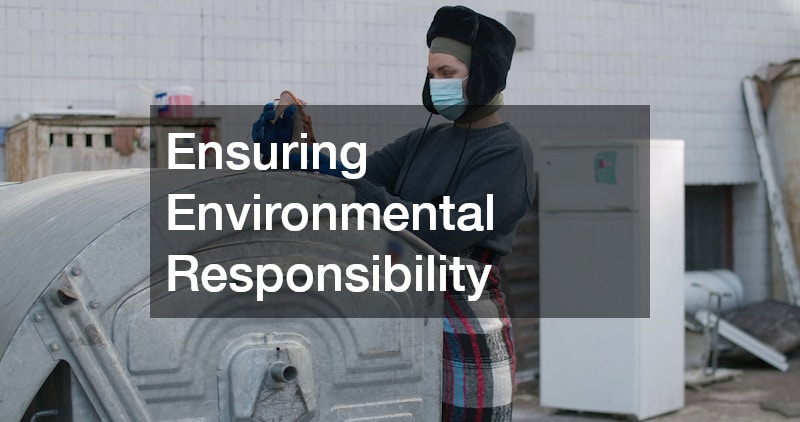
Renting a dumpster is not just about convenience—it’s also about ensuring responsible waste management. Proper disposal of materials is crucial for protecting the environment. Therefore, understanding what can go into the dumpster and what cannot is essential to prevent ecological harm and avoid fines.
When using roll off container rentals, always segregate recyclables and hazardous waste, and dispose of them appropriately. Many rental companies provide guidelines on the types of waste they accept, promoting eco-friendly practices among their clients. Moreover, some companies might offer recycling services as part of their rental package.
Having a clear plan to manage waste responsibly reflects environmental consciousness. It’s not only beneficial to your project but also contributes to wider efforts in maintaining a cleaner, more sustainable world. Always prioritize companies with a strong environmental policy when selecting your dumpster rental provider.