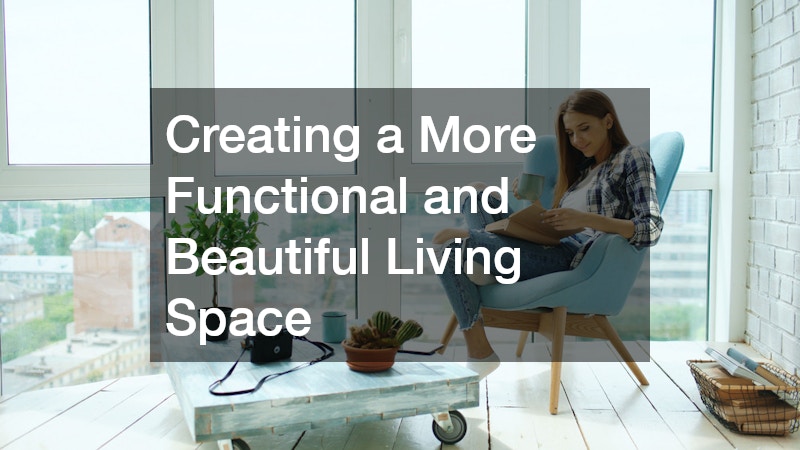
A well-designed home should do more than look attractive. It should support daily routines, provide comfortable spaces for relaxation and productivity, and adapt to changing needs over time. Whether a family is growing, working from home more often, or simply looking to modernize an older property, thoughtful improvements can significantly improve both functionality and visual appeal.
Many homeowners begin updating their homes with a single project, only to realize that one improvement often leads to another. An outdated kitchen may inspire new flooring, improved lighting, or better storage throughout the home. Replacing worn finishes may reveal opportunities to improve energy efficiency or reconfigure living spaces. Looking at the home as a complete system helps ensure every investment contributes to a cohesive result.
Creating a comfortable living environment also requires balancing personal style with practical decision-making. Attractive materials should be durable enough for everyday life, layouts should support how the household actually functions, and finishes should complement one another throughout the home.
With careful planning, homeowners can make improvements that increase comfort today while also adding lasting value for the future.
Start With a Comprehensive Plan Before Making Changes

Every successful project begins with a clear plan. Before purchasing materials or scheduling construction, evaluate how the home currently functions. Walk through each room and make note of spaces that feel cramped, outdated, difficult to maintain, or poorly organized. Identifying recurring frustrations helps prioritize projects that will have the greatest impact on daily life.
Many homeowners benefit from consulting professionals who provide remodeling services early in the planning process. Experienced contractors can identify structural considerations, building code requirements, and opportunities to improve efficiency that may not be obvious during initial planning. Their expertise can also help prevent expensive mistakes before work begins.
A successful home renovation should be guided by long-term goals rather than short-lived trends. Consider how the home may need to accommodate future lifestyle changes, aging family members, additional children, or remote work. Planning with flexibility in mind reduces the likelihood of needing another major renovation only a few years later.
Creating a realistic budget is equally important. Divide projects into essential upgrades, desired improvements, and optional luxury features. Include a contingency fund for unexpected repairs, especially in older homes where hidden issues may be uncovered after demolition begins.
Establish a timeline that coordinates projects efficiently. Completing plumbing, electrical, insulation, and structural work before installing finished surfaces minimizes delays and reduces the risk of damaging new materials.
Finally, create a master design plan that includes paint colors, flooring selections, lighting styles, trim details, and hardware finishes. Viewing the entire project together creates consistency from room to room and prevents design decisions from feeling disconnected.
Improve Flow With Smarter Layout Decisions
Sometimes additional square footage is unnecessary because the existing layout simply isn’t being used efficiently. Before expanding the home’s footprint, evaluate whether walls can be repositioned, underused rooms can be repurposed, or furniture arrangements can improve movement throughout the house.
When additional space is necessary, working with a qualified home addition contractor allows homeowners to create rooms that blend naturally with the existing structure. A well-designed addition should appear as though it has always been part of the home instead of feeling like a separate extension.
Open-concept layouts remain popular because they improve sightlines and encourage interaction between family members. Removing non-load-bearing walls between kitchens, dining rooms, and living areas often creates brighter, more flexible spaces that support entertaining and everyday activities alike.
Natural light also plays a significant role in how spacious a room feels. Interior layouts should maximize sunlight by avoiding unnecessary visual barriers and selecting furnishings that do not obstruct windows.
Flexible spaces continue to grow in importance as lifestyles evolve. Guest bedrooms can double as home offices, finished basements can become recreation rooms, and bonus rooms may function as exercise areas, hobby spaces, or study zones. Designing rooms with multiple purposes helps homeowners adapt without requiring additional renovations.
Storage should also be integrated into the overall layout. Built-in shelving, under-stair storage, mudrooms, and multifunctional furniture reduce clutter while improving everyday organization.
Choose Flooring That Complements Every Room

Flooring serves as one of the largest visual elements inside a home, making it an important design decision. Selecting materials that provide both durability and aesthetic appeal helps establish a cohesive appearance throughout the house.
Hardwood flooring remains one of the most popular choices because of its timeless appearance, long lifespan, and ability to complement nearly every decorating style. Available in numerous wood species, plank widths, colors, and finishes, hardwood allows homeowners to create anything from a traditional interior to a modern minimalist design.
Lifestyle should guide material selection. Families with pets or young children may benefit from harder wood species or engineered products designed to resist dents and scratches. Busy households should also consider finish durability and maintenance requirements before making a final decision.
Color consistency contributes significantly to visual flow. Using complementary flooring throughout connected living areas reduces visual interruptions and makes the home feel larger. Area rugs can define individual spaces without sacrificing continuity.
Maintenance is another important consideration. Following manufacturer recommendations for cleaning products, humidity control, and protective furniture pads helps preserve flooring for decades. Regular inspections also allow homeowners to identify small problems before they become costly repairs.
While hardwood is an excellent long-term investment, every room should be evaluated individually. Bathrooms, laundry rooms, and certain basement spaces may require materials that perform better in high-moisture environments.
Make the Kitchen More Efficient for Everyday Living
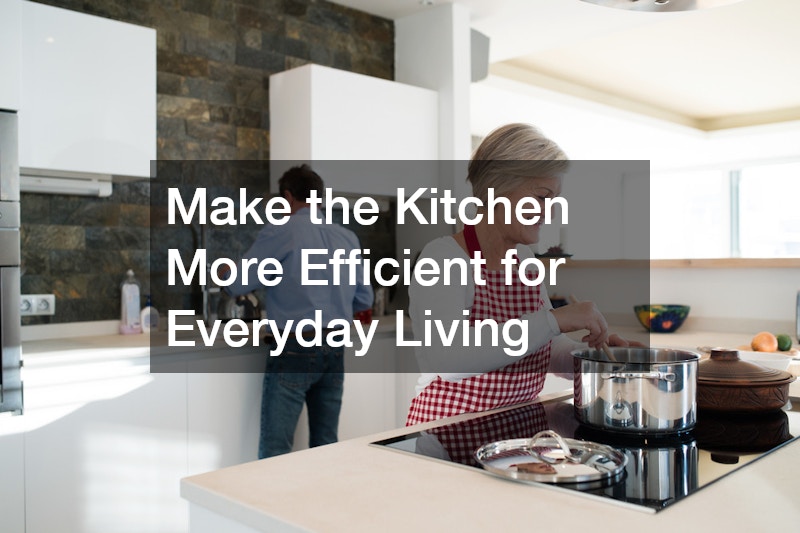
The kitchen serves as one of the busiest areas in most homes, making thoughtful design especially important. Rather than focusing solely on appearance, homeowners should prioritize functionality that simplifies cooking, cleaning, entertaining, and storage.
A well-planned kitchen remodeling project begins by evaluating the workflow between the sink, cooking surface, and refrigerator. Minimizing unnecessary steps makes meal preparation more efficient while reducing congestion when multiple people are using the space.
Storage often determines whether a kitchen feels organized or cluttered. Well-designed cabinets can dramatically improve efficiency through pull-out shelves, deep drawers, spice organizers, vertical tray storage, and dedicated recycling compartments. These features make everyday items easier to access while reducing wasted space.
Cabinet placement should also reflect daily routines. Frequently used cookware, dishes, utensils, and pantry items should remain close to their primary work areas. Specialized storage solutions help eliminate clutter from countertops while keeping essential items within reach.
Lighting deserves equal attention during the design process. Layering ambient, task, and accent lighting improves visibility while creating a welcoming atmosphere. Under-cabinet lighting, pendant fixtures above islands, and recessed ceiling lights each contribute to a more functional workspace.
Multipurpose features continue to gain popularity as homeowners seek greater flexibility. Kitchen islands with seating, hidden charging stations, integrated beverage centers, and additional prep sinks create spaces that support both everyday living and social gatherings.
Choosing quality materials and practical layouts ensures the kitchen remains efficient long after current design trends have changed.
Invest in Durable Surfaces That Add Lasting Style
Countertops receive constant daily use, making durability just as important as appearance. Material selection should account for cooking habits, maintenance preferences, and the overall design aesthetic of the home.
Kitchen countertops are available in a wide range of materials, including quartz, granite, marble, butcher block, porcelain, solid surface products, and recycled composites. Each offers different advantages related to durability, maintenance, stain resistance, heat tolerance, and appearance.
Quartz has become especially popular because it combines durability with relatively low maintenance. Natural stone offers unique visual character, while butcher block provides warmth that complements many design styles. The best choice depends on how the kitchen is used and the homeowner’s maintenance preferences.
Professional countertop installation plays a major role in the finished appearance and long-term performance of these surfaces. Proper measurements, secure support, accurate seam placement, and precise cutouts for sinks and appliances contribute to both durability and aesthetics. Even premium materials can develop problems if installed incorrectly.
Edge profiles, backsplash selections, and coordinated finishes also influence the overall design. Selecting complementary colors and textures creates visual harmony throughout the kitchen while allowing the countertops to serve as a focal point without overwhelming the space.
Routine maintenance extends the life of any countertop material. Using cutting boards, cleaning spills promptly, avoiding excessive heat exposure, and following manufacturer recommendations help preserve both appearance and structural integrity.
Increase Comfort and Efficiency Throughout the Home
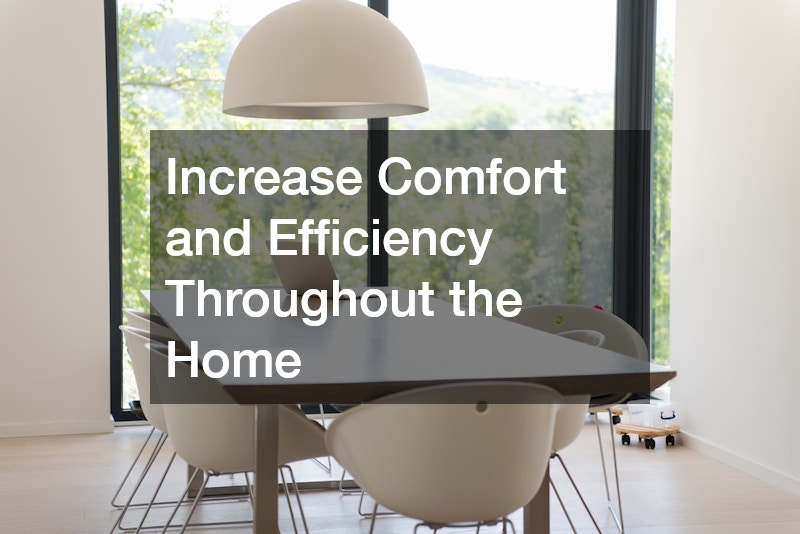
Comfort extends beyond attractive finishes. A truly functional home should also maintain consistent temperatures, reduce outside noise, and minimize energy consumption throughout the year.
Modern window services can significantly improve overall home performance. Replacing aging windows with energy-efficient models helps reduce drafts, improve insulation, and maintain more stable indoor temperatures during every season. Improved glazing technologies also reduce ultraviolet light exposure that can fade furniture and flooring.
Natural light contributes to both aesthetics and well-being. Larger windows, thoughtfully placed openings, and unobstructed sightlines make interior spaces feel brighter and more inviting. Homeowners can often increase daylight while maintaining privacy through carefully selected window styles and treatments.
Proper insulation around windows further enhances efficiency by reducing unwanted air infiltration. Routine maintenance, including inspecting weatherstripping, caulking, locks, and drainage systems, helps ensure windows continue performing as intended for many years.
Window coverings also deserve careful consideration. Adjustable blinds, layered curtains, and motorized shades allow homeowners to balance daylight, privacy, and energy efficiency throughout the day while complementing the home’s overall design.
Small improvements to windows often produce noticeable benefits in comfort, utility costs, and overall livability.
Add High-End Features That Feel Timeless
Luxury is not defined solely by expensive materials or oversized rooms. Instead, a truly luxury home combines exceptional craftsmanship, thoughtful design, premium materials, and features that improve everyday living without appearing excessive.
Quality should always take precedence over quantity. Investing in durable finishes, solid construction, and carefully selected fixtures typically provides better long-term value than filling a home with decorative features that quickly become outdated.
Natural materials continue to perform well because they offer lasting beauty and versatility. Stone accents, custom millwork, architectural lighting, premium hardware, and carefully crafted built-ins create refined spaces that remain attractive for decades.
Technology can also enhance the living experience when integrated thoughtfully. Smart lighting controls, programmable climate systems, whole-home audio, automated window treatments, and advanced security systems increase convenience without dominating the overall design.
Attention to detail often distinguishes exceptional homes from ordinary ones. Consistent trim profiles, coordinated hardware finishes, concealed storage, custom closets, and carefully planned lighting create polished interiors that feel intentional rather than pieced together over time.
The most successful high-end homes balance elegance with livability, ensuring every upgrade contributes to comfort, efficiency, and long-term enjoyment.
Avoid Common Remodeling Mistakes
Even well-intentioned remodeling projects can produce disappointing results when important planning steps are overlooked. Understanding common mistakes allows homeowners to make better decisions before construction begins.
One of the biggest errors is making design decisions room by room without considering the overall home. Selecting materials independently for each project often creates inconsistent finishes that reduce visual flow. A unified design plan helps every improvement work together cohesively.
Another common mistake involves prioritizing trends over practical functionality. While current styles may appear appealing today, timeless materials and layouts generally provide greater long-term satisfaction and resale value. Choosing durable products with classic appeal reduces the likelihood of expensive updates in the near future.
Storage is frequently underestimated during remodeling. Beautiful spaces quickly lose their appeal when everyday belongings have no designated place. Built-in shelving, larger closets, hidden storage compartments, and multifunctional furniture help maintain organization without sacrificing aesthetics.
Budget planning should also include unexpected expenses. Older homes may reveal outdated wiring, plumbing issues, structural concerns, or water damage once demolition begins. Maintaining a contingency fund helps projects continue smoothly without compromising important improvements.
Finally, resist the temptation to select the lowest-priced materials for heavily used areas. Floors, cabinetry, countertops, windows, and fixtures experience years of daily wear. Investing in higher-quality products often reduces maintenance costs and extends the lifespan of the renovation.
Bringing Every Improvement Together Into One Cohesive Home
Creating a more functional and beautiful living space requires thoughtful planning, quality materials, and a clear understanding of how each improvement contributes to the overall home. Rather than viewing projects independently, homeowners benefit most when renovations are coordinated to improve comfort, efficiency, organization, and visual consistency.
Successful upgrades begin with identifying daily challenges and prioritizing improvements that solve real problems. From better layouts and durable finishes to improved lighting and energy efficiency, every decision should support both present needs and future goals.
Investing in quality craftsmanship, maintaining realistic budgets, and selecting timeless materials helps renovations deliver lasting value. Equally important is working with experienced professionals who understand how to integrate structural integrity, practical functionality, and attractive design.
When every improvement is approached with careful planning and long-term thinking, the result is more than an updated house. It becomes a comfortable, adaptable home that supports everyday living while providing beauty, efficiency, and lasting value for many years to come.