Building a Stronger Roof Starts With Better Planning
A roof does more than cover a building. It protects the structure from rain, wind, heat, snow, falling debris, and daily temperature changes. When it is planned, maintained, and improved properly, it can also help lower energy use, prevent interior damage, and support long-term property value. Many property owners wait until there is a leak or visible damage before thinking about their roof, but that approach often leads to higher repair costs and more disruption.
The best roofing improvements are usually proactive. They start with understanding the condition of the current system, choosing materials wisely, improving drainage, managing attic airflow, and keeping up with routine maintenance. Whether the property is a home, retail building, office, warehouse, or multi-unit structure, the goal is the same: create a roofing system that performs well in real-world conditions.
Essential improvements do not always mean replacing the entire roof. Sometimes, small upgrades can make a major difference. Better ventilation, stronger flashing, clean gutters, updated insulation, or timely repairs can extend the life of the roof and prevent larger problems. By knowing what to look for and when to call a professional, property owners can make smarter decisions and protect their investment with confidence.
Evaluate Your Roof Before Planning Any Improvements
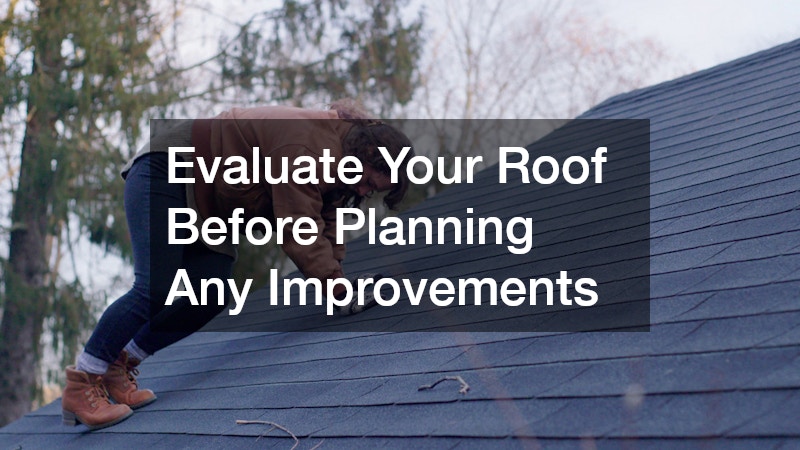
Before investing in repairs, upgrades, or replacement materials, property owners should start with a clear understanding of the roof’s current condition. Professional roof inspections are one of the most useful first steps because they can uncover issues that are easy to miss from the ground. A roof may look acceptable from a distance while still having cracked flashing, loose shingles, soft decking, clogged drainage areas, damaged sealants, or early signs of water intrusion.
A detailed inspection helps separate urgent concerns from future maintenance needs. For example, a small leak around a vent pipe may only require a targeted repair, while widespread deterioration may point to the need for a larger project. Without an inspection, it is easy to spend money on surface-level fixes while missing the root cause of the problem.
Working with qualified roofing contractors also helps property owners understand the expected lifespan of their current system. Different materials age in different ways. Asphalt shingles may show curling, granule loss, or brittle edges. Flat roofing systems may develop ponding water, blistering, or membrane separation. Clay or concrete tiles may crack or shift. Metal systems may experience loose fasteners, worn coatings, or seam issues. A trained professional can explain what these signs mean and whether the roof still has years of service left.
An inspection is especially important after severe weather. Heavy wind, hail, falling branches, and intense storms can damage roofing components without causing an immediate leak. By catching problems early, owners can prevent moisture from spreading into insulation, ceilings, walls, and framing.
Choose Durable Materials That Match Your Property
Material selection is one of the most important decisions in any roofing improvement project. The right material should match the building’s structure, climate, slope, budget, appearance, and long-term maintenance expectations. A roof that looks good but performs poorly in local weather conditions can lead to frustration and costly repairs.
A metal roof is often valued for durability, energy efficiency, and resistance to harsh weather. Metal systems can shed water well, reflect sunlight, and last for decades when installed correctly. They are often a strong option for property owners who want long-term performance and reduced maintenance needs. However, installation quality matters. Poor fastening, improper flashing, or low-quality coatings can shorten the life of the system.
Tile roofing is another long-lasting option, especially in regions where heat resistance and curb appeal are important. Clay and concrete tiles can create a distinctive appearance while offering strong protection against sun exposure and fire. However, tile systems are heavy, so the building must be structurally able to support the added weight. Underlayment is also critical because the tiles protect the roof surface, but the underlayment provides much of the water barrier beneath them.
Property owners should also compare materials based on more than upfront cost. A less expensive material may save money initially but require more frequent repairs or earlier replacement. A higher-cost material may provide better long-term value if it lasts longer, reduces energy demand, or improves resale appeal.
The best roofing material is not always the most expensive one. It is the one that fits the property’s needs and is installed by experienced professionals using proper methods.
Improve Drainage to Prevent Water Damage
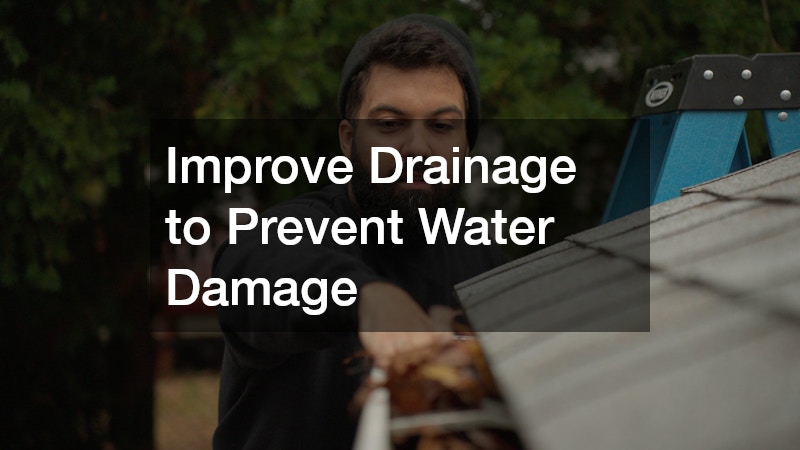
Water is one of the biggest threats to any roofing system. Even a strong roof can fail early if water does not drain properly. Poor drainage can lead to leaks, wood rot, mold growth, damaged fascia, foundation problems, siding stains, and basement moisture. That is why gutter and drainage improvements should be part of a complete roof care strategy.
Gutter contractors can help property owners evaluate whether existing gutters are properly sized, pitched, and secured. Gutters that sag, overflow, pull away from the structure, or clog frequently may not be protecting the building effectively. Downspouts should direct water away from the foundation, not dump it near entryways, landscaping beds, or low areas where water can collect.
A professional roofing service can also inspect roof valleys, flashing, drip edges, scuppers, and drainage points. These areas are especially vulnerable because they handle large amounts of water during storms. If debris blocks water flow, moisture may back up under roofing materials or pool in areas not designed to hold standing water.
Routine cleaning is helpful, but some drainage problems require upgrades. Larger gutters, additional downspouts, gutter guards, improved slope, or repaired flashing may be necessary. For flat or low-slope roofs, proper drainage is even more important because standing water can strain the roof surface and accelerate wear.
Good drainage protects more than the roof. It supports the entire building envelope by moving water away from vulnerable areas before damage begins.
Increase Energy Efficiency Throughout the Home
A roof plays a major role in indoor comfort and energy efficiency. Many property owners focus only on the outer roofing material, but the space beneath the roof is just as important. Poor attic insulation, trapped heat, and moisture buildup can make the building harder to heat and cool. Over time, these issues can also shorten the life of roofing materials.
An insulation contractor can evaluate whether the attic has enough insulation and whether it is installed correctly. Insulation helps reduce heat transfer between the living space and the attic. In summer, it helps keep outdoor heat from pushing into the building. In winter, it helps keep heated indoor air from escaping upward. When insulation is missing, compressed, wet, or uneven, energy bills may rise and indoor comfort may suffer.
Wind venting also matters because airflow helps regulate attic temperature and moisture. Without proper ventilation, hot air can become trapped beneath the roof deck. This can cause shingles to age faster, increase cooling demands, and create uncomfortable indoor temperatures. In colder seasons, poor airflow can contribute to condensation and ice dams in some climates.
Balanced airflow usually requires both intake and exhaust ventilation. Intake vents allow fresh air to enter, often near the lower edge of the roof. Exhaust vents allow hot, moist air to leave near the top. If one side of the system is blocked or undersized, ventilation may not work as intended.
Comfort problems are often connected. A hot upstairs room, musty attic odor, high utility bill, or recurring ice buildup may all point to roof-related efficiency concerns. Improving insulation and ventilation can make the building more comfortable while helping the roofing system last longer.
Strengthen Roofing Systems for Commercial Properties
Commercial properties often have different roofing needs than residential buildings. Many commercial roofs are flat or low-slope, which means they rely heavily on membranes, coatings, flashing, drainage systems, and regular maintenance. Because these roofs may cover large areas and protect valuable equipment, inventory, tenants, or workspaces, small problems can become expensive quickly.
Commercial roofing requires a practical maintenance strategy. Property managers should schedule regular evaluations to check for membrane damage, punctures, open seams, ponding water, clogged drains, damaged flashing, and rooftop equipment issues. HVAC units, vents, skylights, and access points can all create weak spots if they are not sealed and maintained properly.
A commercial roofing service can help develop a maintenance plan that reduces disruption. For businesses, roof problems are not only repair issues. A leak can interrupt operations, damage products, create safety concerns, or affect tenants. Preventative maintenance is often much less disruptive than emergency repairs during a storm.
Flat and low-slope roofs should be checked for ponding water after rain. Water that remains on the roof for too long can stress the structure and break down roofing materials. Drainage improvements, tapered insulation, repaired scuppers, or cleared internal drains may be needed to solve the problem.
Commercial owners should also keep records of inspections, repairs, warranties, and maintenance visits. These records can be useful for budgeting, insurance claims, tenant communication, and warranty compliance. They also help identify recurring problem areas.
The best approach is proactive and scheduled. Waiting until water enters the building can lead to higher costs and avoidable business interruptions.
Maintain Roofing Systems Throughout the Year
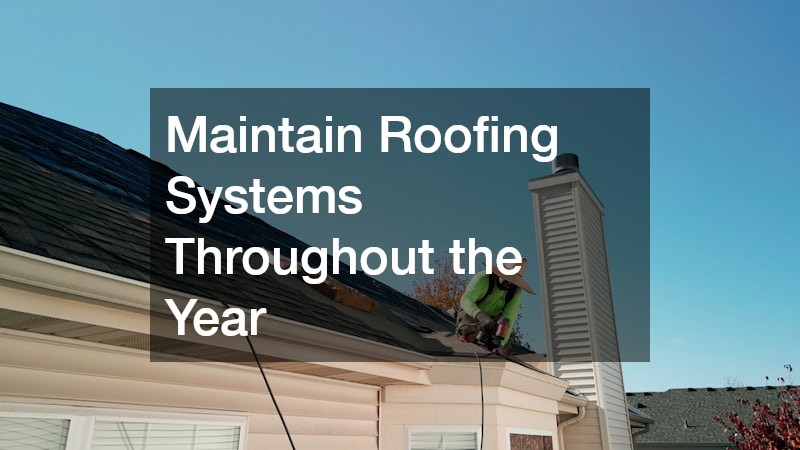
Roof maintenance should not be limited to emergencies. Seasonal care helps property owners identify small problems before they become serious. A roof is exposed every day to sunlight, moisture, wind, debris, temperature swings, and biological growth. Even high-quality materials need attention over time.
Reliable roofing contractors can help create a maintenance routine based on the roof type, age, and local climate. For many properties, spring and fall are good times to schedule checkups. Spring maintenance can identify winter damage, while fall maintenance prepares the roof for colder weather, heavy rain, snow, or seasonal storms.
A routine roofing service may include checking shingles, tiles, seams, flashing, vents, gutters, skylights, chimneys, and sealants. It may also involve removing debris from valleys, clearing drainage points, trimming overhanging branches, and looking for signs of pest damage.
Property owners can also perform basic visual checks from the ground. They should look for missing materials, sagging areas, damaged gutters, stains, loose flashing, or debris buildup. However, walking on the roof without proper training can be dangerous and may damage certain materials. Professional help is usually the safer choice.
Maintenance also protects warranties. Some roofing warranties require proof that the system was cared for properly. Ignoring routine maintenance can make it harder to use warranty coverage if a problem appears later.
Consistent care does not have to be complicated. The key is to make roof maintenance part of regular property management instead of waiting for visible damage.
Protect Your Investment With Long-Term Planning
A roof is a major investment, so property owners should think beyond immediate repairs. Long-term planning helps avoid surprise expenses and allows owners to make better financial decisions. Instead of waiting for a failure, owners can monitor roof age, condition, repair history, and expected replacement timelines.
Regular roof inspections make this planning easier. When inspections are completed on a schedule, property owners can track how the roof is aging. They can see whether repairs are becoming more frequent, whether certain areas are repeatedly failing, or whether replacement should be planned within the next few years.
For owners considering future upgrades, a metal roof may be worth evaluating as part of a long-term strategy. While the initial investment can be higher than some other materials, its durability and longevity may make sense for certain buildings. The decision should be based on climate, structure, design goals, and budget.
Planning also gives property owners time to compare bids, review materials, understand warranties, and schedule work during a convenient season. Emergency replacements often leave less time for research and may cost more because the work must be done quickly.
Property owners should also consider how roofing improvements connect with other building projects. Solar panel installation, attic upgrades, chimney repairs, siding replacement, and gutter improvements can all affect the roof. Coordinating these projects can prevent duplicated labor and reduce the risk of damage to newly installed materials.
The goal is to treat the roof as part of the larger property system. When roofing decisions are made with long-term performance in mind, owners can reduce stress, control costs, and protect the building more effectively.
Lasting Protection Comes From Consistent Care
Essential roofing improvements are not only about fixing damage. They are about making smart choices that help the entire property perform better. A strong roof depends on sound materials, proper drainage, balanced airflow, regular maintenance, and careful planning. When these pieces work together, the roof is better prepared to handle daily weather exposure and seasonal changes.
Property owners who take a proactive approach are more likely to avoid emergency repairs, interior damage, and premature replacement. They can also improve comfort, energy efficiency, and long-term value. Whether the next step is a small repair, a full replacement, or a maintenance plan, the most important decision is to act before minor concerns become major problems. By investing in the right improvements at the right time, property owners can build a roofing system that protects their home or business for years to come.