Key Takeaways
- Improving home insulation and sealing air leaks are among the most effective ways to reduce energy loss and maintain consistent indoor temperatures.
- Upgrading windows and addressing weak points in the building envelope can significantly lower heating and cooling demands throughout the year.
- Smart thermostats help optimize heating and cooling schedules, reducing unnecessary energy use without sacrificing comfort.
- Regular HVAC maintenance—and replacing outdated systems when needed—can greatly improve efficiency and lower long-term utility costs.
- Switching to energy-efficient appliances and LED lighting reduces electricity consumption while maintaining or improving daily performance.
- Water heating systems often account for a large portion of energy use, making upgrades and efficiency adjustments a high-impact improvement area.
- Combining multiple efficiency upgrades creates compounding savings, improving comfort, lowering bills, and increasing overall home value.
Energy costs continue to rise, making it more important than ever for homeowners to find practical ways to reduce unnecessary energy consumption. Beyond lowering monthly utility bills, improving energy efficiency can increase comfort, extend the lifespan of home systems, reduce environmental impact, and even enhance property value. Many homes lose energy through outdated equipment, poor insulation, air leaks, and inefficient appliances—issues that often go unnoticed until utility expenses begin climbing.
The good news is that homeowners have numerous opportunities to improve how their homes use energy. Some upgrades require a significant investment, while others involve relatively simple changes that deliver substantial long-term benefits. Understanding which improvements offer the greatest impact can help homeowners prioritize projects and maximize returns.
This guide explores ten of the most effective measures homeowners should consider. Whether you’re planning a major renovation or simply looking for ways to reduce waste, these strategies can help create a more comfortable, cost-effective, and sustainable home.
Why Should Homeowners Focus on Reducing Energy Waste?
Before diving into specific improvements, it is important to understand why reducing energy waste matters. Every home consumes energy for heating, cooling, lighting, cooking, and powering appliances. However, not all of that energy is used efficiently. In many cases, a significant portion is wasted due to poor insulation, outdated equipment, or inefficient building materials.
Improving efficiency is not solely about lowering bills. It also contributes to a healthier indoor environment, increases home comfort, and supports environmental sustainability. Homes that use energy wisely often maintain more consistent indoor temperatures, place less strain on HVAC systems, and require fewer repairs over time.
Additionally, many efficiency upgrades can increase a property’s appeal to future buyers. As energy-conscious purchasing decisions become more common, homes with modern systems and reduced operating costs often stand out in competitive real estate markets.
With these benefits in mind, homeowners can begin evaluating the upgrades that offer the greatest impact.
1. Is Your Insulation Doing Its Job?
One of the most effective ways to improve energy performance is by upgrading insulation. Insulation acts as a barrier that slows heat transfer between indoor and outdoor spaces.
Without adequate insulation, heated or cooled air can quickly escape, forcing HVAC systems to work harder to maintain comfortable temperatures. This results in higher energy consumption and increased utility costs.
Areas That Commonly Need Better Insulation
- Attics
- Heat naturally rises, making attics one of the most significant sources of energy loss.
- Exterior walls
- Older homes may contain insufficient or deteriorated insulation.
- Basements and crawl spaces
- Proper insulation can help regulate indoor temperatures throughout the year.
- Floors above unconditioned spaces
- These areas can become major pathways for heat loss.
Investing in quality insulation can provide immediate comfort improvements and long-term savings.
2. Have You Sealed Hidden Air Leaks Around Your Home?
Many homeowners focus on insulation while overlooking air leaks. Even a well-insulated home can lose substantial amounts of energy through small openings around windows, doors, plumbing penetrations, and electrical outlets.
These gaps allow conditioned air to escape while permitting outdoor air to enter. As a result, heating and cooling systems must operate longer to compensate.
Common Sources of Air Leakage
- Window frames
- Door frames
- Attic hatches
- Recessed lighting fixtures
- Utility penetrations
- Chimneys and vents
Air sealing is often one of the most cost-effective improvements available because it can deliver noticeable results with relatively modest investment.
Effective Air-Sealing Solutions
- Weatherstripping around doors
- Caulking gaps and cracks
- Expanding foam for larger openings
- Door sweeps
- Sealed attic access points
By reducing drafts and improving temperature consistency, homeowners can significantly enhance overall efficiency.
3. Are Your Windows Helping or Hurting Efficiency?
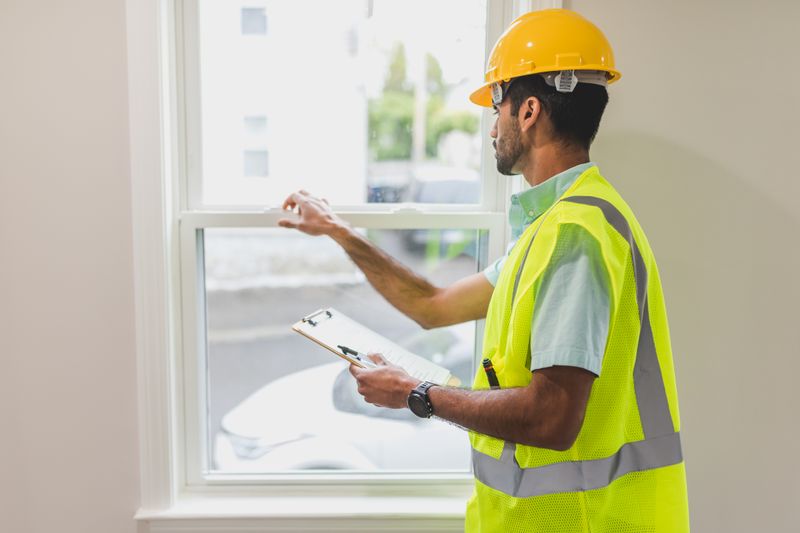
Windows play a major role in a home’s energy performance. Older single-pane windows often allow significant heat transfer, making it harder to maintain indoor comfort.
Today’s energy-efficient windows are engineered to improve indoor temperature control by limiting heat transfer throughout the year. Advanced features such as multiple panes of glass, low-E coatings, and thermally insulated frames help enhance energy performance, making homes more comfortable and reducing the strain on heating and cooling systems.
Signs Your Windows May Need Attention
- Noticeable drafts
- Condensation between panes
- Difficulty opening or closing
- High heating and cooling costs
- Uneven room temperatures
Options for Improvement
Homeowners do not always need a full replacement. Depending on the condition of existing windows, solutions may include:
- Adding weatherstripping
- Installing storm windows
- Applying window films
- Replacing damaged seals
- Upgrading to high-efficiency models
These improvements can reduce energy loss while improving indoor comfort.
4. Could a Smarter Thermostat Save You Money?
Heating and cooling often account for the largest portion of household energy consumption. A smart thermostat can help ensure that energy is only used when needed.
Unlike traditional thermostats, smart models automatically adjust temperature settings based on occupancy patterns, schedules, and weather conditions.
Benefits of Smart Thermostats
- Automated temperature adjustments
- Remote control via smartphone apps
- Detailed energy usage reports
- Improved HVAC system management
- Enhanced comfort throughout the day
Many homeowners discover that simply optimizing temperature schedules leads to meaningful reductions in energy consumption without sacrificing comfort.
Best Practices
To maximize benefits:
- Lower heating temperatures when sleeping.
- Increase cooling temperatures when away.
- Create schedules based on daily routines.
- Review usage reports regularly.
These simple adjustments can generate consistent savings year after year.
5. When Was the Last Time You Evaluated Your HVAC System?
An outdated HVAC system can consume significantly more energy than modern alternatives. Even if the system still functions, aging equipment often loses efficiency over time.
Regular maintenance is essential for maintaining performance. Dirty filters, worn components, and neglected ductwork can all contribute to higher energy consumption.
Warning Signs of Inefficiency
- Frequent repairs
- Uneven temperatures
- Rising utility bills
- Excessive noise
- Poor airflow
Ways to Improve Performance
- Replace air filters regularly
- Schedule annual inspections
- Clean air ducts when necessary
- Upgrade aging equipment
- Seal duct leaks
For homeowners considering major energy-saving renovations, replacing an outdated HVAC system is often one of the most impactful investments available.
6. Are Your Appliances Consuming More Energy Than Necessary?
Many household appliances operate daily, making them major contributors to energy consumption. Older models often require significantly more electricity than modern energy-efficient alternatives.
Replacing outdated appliances can generate substantial savings over their lifespan.
Appliances Worth Evaluating
- Refrigerators
- Dishwashers
- Washing machines
- Dryers
- Water heaters
- Freezers
Features to Look For
When shopping for replacements, consider:
- High-efficiency certifications
- Advanced energy-saving modes
- Variable-speed motors
- Improved insulation
- Smart operating features
While replacement costs may seem significant initially, lower utility expenses often offset the investment over time.
7. Is Your Lighting System Still Using Outdated Technology?
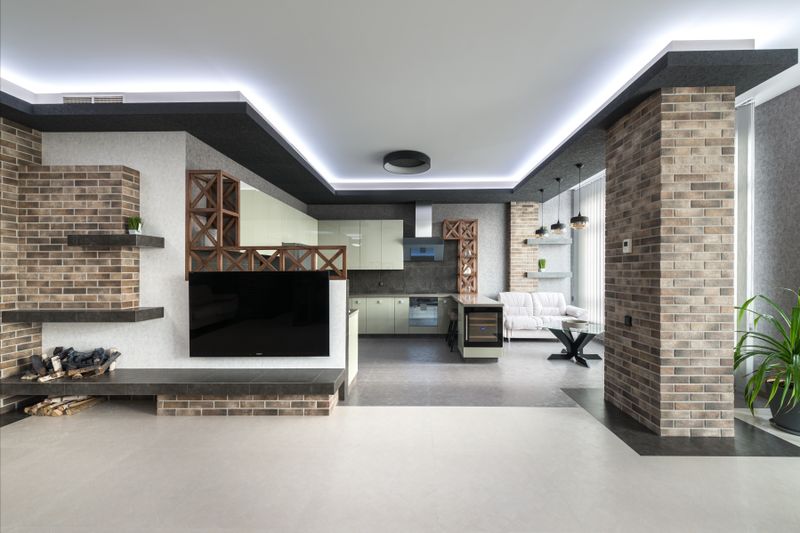
Lighting represents an area where efficiency improvements are often simple and affordable. Many homes still use older bulbs that consume more electricity and generate excess heat.
LED technology has transformed residential lighting by providing superior efficiency, longer lifespans, and better performance.
Advantages of LED Lighting
- Lower energy consumption
- Longer operational life
- Reduced maintenance costs
- Less heat generation
- Wide range of brightness options
Additional Ways to Improve Lighting Efficiency
- Install dimmer switches.
- Use occupancy sensors.
- Maximize natural daylight.
- Choose task lighting where appropriate.
- Turn off unused fixtures.
These changes can reduce electricity consumption while maintaining excellent lighting quality.
8. How Efficient is Your Water Heating System?
Water heating represents a significant portion of household energy use. Traditional water heaters continuously maintain stored hot water, consuming energy even when demand is low.
Improving water heating efficiency can result in substantial savings.
Strategies to Reduce Water Heating Costs
- Lower thermostat settings.
- Insulate hot water pipes.
- Install low-flow fixtures.
- Repair leaks promptly.
- Upgrade outdated equipment.
Considering New Technology
Modern options include:
- Heat pump water heaters
- High-efficiency tank systems
- Tankless water heaters
- Solar-assisted systems
Selecting the right solution depends on household size, usage patterns, and budget considerations.
9. Have You Looked at Your Roof’s Impact on Energy Use?
Many homeowners overlook the role roofing plays in overall energy performance. However, roofing materials significantly influence heat absorption and indoor temperature regulation.
A roof that absorbs excessive heat can increase cooling demands during warmer months.
Energy-Conscious Roofing Options
- Reflective roofing materials
- Cool roof coatings
- Improved attic ventilation
- Enhanced roof insulation
- Light-colored roofing products
Benefits Beyond Energy Savings
Roof improvements can also provide:
- Longer roof lifespan
- Increased indoor comfort
- Reduced HVAC strain
- Improved property value
When combined with insulation and ventilation upgrades, roofing improvements can deliver substantial efficiency gains.
10. Could Renewable Energy Be the Next Step?
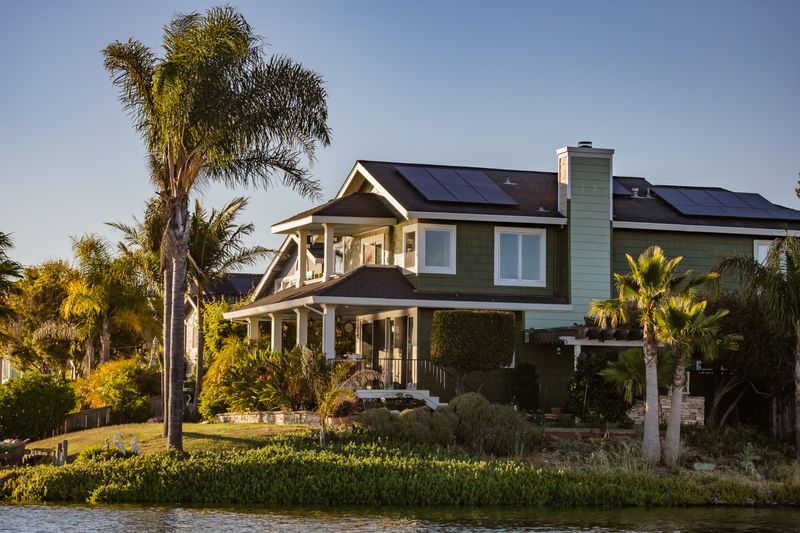
After addressing major sources of energy waste, many homeowners explore renewable energy solutions. While these systems often involve higher upfront costs, they can significantly reduce long-term utility expenses.
Solar energy remains one of the most popular options for residential properties.
Benefits of Renewable Energy Systems
- Reduced electricity bills
- Greater energy independence
- Lower environmental impact
- Potential tax incentives
- Increased home value
Important Considerations
Before investing, homeowners should evaluate:
- Roof condition
- Local climate
- Available incentives
- Household energy usage
- Installation costs
Combining renewable energy with efficiency improvements often produces the strongest results.
How Can Homeowners Prioritize These Improvements?
Facing multiple potential upgrades can feel overwhelming. Not every homeowner has the budget to tackle every project simultaneously. Prioritization is key to maximizing returns while managing costs effectively.
The most effective approach is typically to address areas where energy loss is greatest. In many homes, this means starting with insulation and air sealing before moving on to equipment upgrades and renewable energy systems. Improvements that reduce demand often make future investments more effective.
A professional energy audit can help identify the most significant inefficiencies. These assessments provide valuable insights into where energy is being wasted and which improvements are likely to generate the greatest savings.
A Practical Order of Priority
- Air sealing
- Insulation upgrades
- HVAC maintenance and replacement
- Smart thermostat installation
- Window improvements
- Lighting upgrades
- Appliance replacement
- Water heating improvements
- Roofing enhancements
- Renewable energy systems
This strategy helps ensure each upgrade builds upon previous improvements.
Conclusion
Improving a home’s energy performance does not require a single massive renovation project. Instead, meaningful results often come from a series of targeted improvements that work together to reduce waste and improve efficiency. From insulation and air sealing to smart technology, efficient appliances, and renewable energy solutions, homeowners have numerous opportunities to lower utility costs while enhancing comfort.
The key is understanding which upgrades provide the greatest impact and prioritizing them strategically. By taking a proactive approach to reducing energy waste, homeowners can enjoy long-term financial savings, improved indoor living conditions, and a more sustainable property. Whether starting with simple upgrades or planning larger projects, investing in efficiency remains one of the smartest decisions a homeowner can make for both the present and the future.