The arrival of the summer solstice brings more than just longer days and backyard barbecues. For the proactive homeowner, it signals the beginning of a high-stakes battle against rising utility costs and the encroaching humidity that threatens indoor comfort. Maintaining a cool residence is not merely about cranking up the thermostat; it is about understanding the physics of your home and addressing the vulnerabilities in its exterior shell. When a house is poorly insulated or structurally compromised, the cooling system is forced to work in a state of perpetual overdrive, leading to premature mechanical failure and astronomical energy bills.
Enhancing the Durability of Exterior Surfaces
The surfaces surrounding your home play a significant role in how much heat the structure absorbs. Dark asphalt driveways are notorious for acting as thermal sponges, soaking up sunlight throughout the day and radiating that heat back toward your foundation long after the sun has set. This phenomenon can raise the ambient temperature around your entryways by several degrees, making it harder for your interior climate control to keep up.
Applying a high-quality protective coating to your pavement is one of the most effective ways to mitigate this heat absorption. By investing in professional driveway sealcoating, you provide a fresh layer that reflects more sunlight and prevents the asphalt from degrading under intense UV exposure. This simple maintenance task not only extends the life of the pavement but also helps in maintaining a slightly cooler microclimate immediately adjacent to your home.
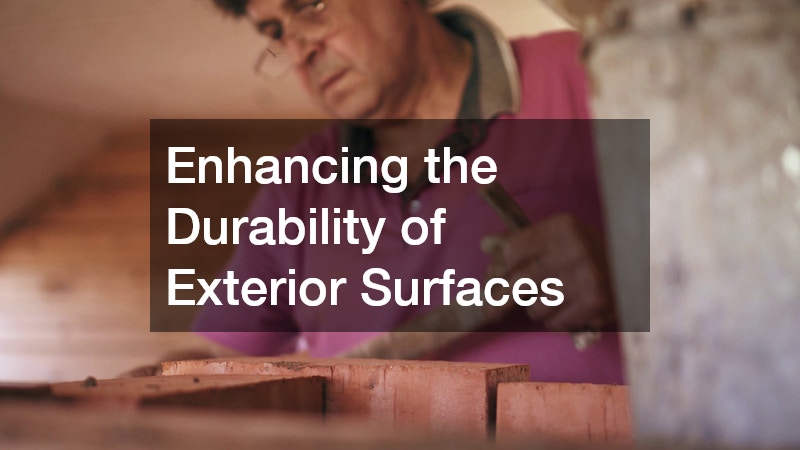
Beyond the driveway, the condition of your home’s vertical surfaces is equally critical for thermal regulation. Over time, the mortar between bricks can succumb to the cycle of expansion and contraction caused by extreme temperature swings. If the mortar is crumbling or missing, it creates paths for hot air and moisture to penetrate the wall cavity, which destroys your home’s natural insulating properties.
Addressing these issues early can prevent the need for more expensive structural interventions down the road. Performing necessary brick masonry repairs ensures that the exterior envelope remains airtight and water-resistant. By filling these gaps, you effectively eliminate the drafts that allow cool air to leak out and humid summer air to seep in, creating a more stable and efficient interior environment.
Strategic Shading and Window Management
Windows are often the weakest link in a home’s thermal defenses. While they provide essential natural light and views, they also allow solar heat gain to skyrocket. During the peak hours of the afternoon, the greenhouse effect can quickly turn a comfortable living room into an unbearable hot zone. Managing the light that enters your home is therefore a top priority for any resident looking to cut down on cooling costs.
Internal solutions are a great first step in this process. Selecting the right window treatment can make a substantial difference in how much infrared radiation stays out of your living space. Honeycomb shades or heavy thermal drapes are particularly effective because they create a layer of still air that acts as an extra insulator between the hot glass and the rest of the room.
However, the most effective way to manage solar heat is to stop it before it ever reaches the window pane. External barriers provide a physical shield that prevents the glass from heating up in the first place. This method is significantly more efficient than internal coverings alone because it eliminates the heat at the source rather than trying to manage it once it is already inside the house.
Installing high-quality exterior window shutters allows you to control the amount of direct sunlight hitting your windows throughout the day. These fixtures can be adjusted to allow for ventilation while still providing total shade, which is especially useful for south-facing and west-facing rooms that receive the harshest exposure. In addition to their functional benefits, they add a layer of security and aesthetic charm that increases the overall market value of the property.
Professional Maintenance for Structural Integrity

Maintaining a masonry home requires a specialized touch, especially when dealing with the effects of high heat and humidity. Unlike wood or vinyl siding, stone and brick require specific breathability to prevent moisture buildup within the walls. When the exterior of a home is neglected, the structural components can begin to store heat, essentially acting like a giant radiator that keeps the house warm well into the night.
Engaging with reputable masonry companies can provide you with a comprehensive assessment of your home’s exterior health. These experts can identify subtle signs of distress, such as spalling or efflorescence, which indicate that the masonry is not performing its job of protecting the interior. Professional intervention ensures that any repairs are done with materials that match the original thermal properties of your home.
When you require more extensive work, such as rebuilding a chimney or restoring a retaining wall that has shifted, you need a team that understands the nuances of local building materials. Utilizing expert masonry services ensures that the structural integrity of your home is preserved while also optimizing its ability to shed heat. A well-maintained stone or brick facade is one of the best defenses against the elements, providing a natural thermal mass that helps regulate indoor temperatures year-round.
- Check for gaps around window frames and door sills.
- Inspect the attic for proper ventilation to prevent heat buildup.
- Ensure that all outdoor masonry is free of moss and debris.
- Evaluate the R-value of your current insulation.
For most homeowners, the search for quality craftsmanship begins with finding a trusted local masonry contractor who understands the specific environmental challenges of the region. A local professional will know which types of mortar and stone are best suited for the local humidity levels and soil conditions. This localized knowledge is invaluable when trying to create a home exterior that is not only beautiful but also energy-efficient and durable.
Fortifying the Garage and Entry Points
The garage is often the most overlooked area when it comes to energy efficiency, yet it is frequently the largest source of heat infiltration. In many homes, the garage is either uninsulated or poorly sealed, allowing it to reach temperatures exceeding 100 degrees during the summer. Since the garage typically shares one or more walls with the main living quarters, this heat conducts directly into the house, forcing the cooling system to work harder.
One of the most impactful upgrades a homeowner can make is to replace an old, thin door with a modern, insulated version. Investing in high-quality garage door installations can lower the temperature of the garage by twenty degrees or more. This reduction in ambient heat significantly lightens the thermal load on the adjacent rooms, making the entire home feel more comfortable and reducing the strain on your utility budget.
The quality of the installation is just as important as the quality of the door itself. Even the best-insulated door will fail to provide efficiency if there are gaps around the edges or if the tracks are misaligned. A professional overhead garage doors installation ensures that the unit is perfectly balanced and that the weatherstripping provides a tight seal against the floor and the door jamb. This precision prevents hot air and pests from entering the space, further protecting your home’s efficiency.
- Choose doors with a high R-value for maximum insulation.
- Inspect the weather seals monthly for signs of wear.
- Keep the door closed as much as possible during the hottest parts of the day.
- Consider adding a garage ventilation fan to exhaust hot air.
Optimizing Mechanical Systems and Airflow
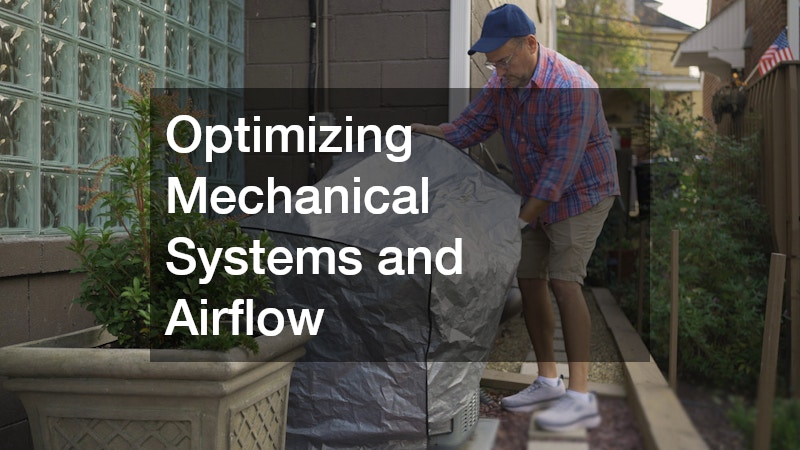
Once the exterior of the home is sealed and shaded, the focus must shift to the internal systems that manage the air. A proactive resident knows that mechanical efficiency is not a “set it and forget it” situation. Even the most advanced systems require regular maintenance to ensure they are operating at their theoretical maximum performance. Without this attention, the components will degrade, leading to higher costs and a shorter lifespan for the equipment.
The heart of your summer comfort is undoubtedly the air conditioning system. To keep it running smoothly, you should change filters once a month and ensure the outdoor condenser unit is free of leaves and grass clippings. Professional servicing should include a check of the refrigerant levels and a cleaning of the evaporator coils, as even a thin layer of dust can significantly reduce the system’s ability to remove heat from the air.
In addition to mechanical cooling, maximizing natural airflow can help reduce the need for constant refrigeration. On cooler nights, opening windows on opposite sides of the house can create a cross-breeze that flushes out the stagnant heat accumulated during the day. This practice, combined with the use of ceiling fans, can allow you to raise your thermostat by several degrees without any loss in perceived comfort.
- Use a programmable thermostat to adjust temperatures when you are away.
- Keep interior doors open to promote even air distribution.
- Ensure that supply vents are not blocked by furniture or rugs.
- Check ductwork for leaks that may be wasting cooled air.
The Value of Professional Guidance
While many home maintenance tasks can be handled by a diligent DIY enthusiast, some projects require a level of precision that only comes with professional experience. Understanding when to call in an expert is a hallmark of a proactive homeowner. This is especially true when dealing with structural components or complex mechanical systems where an error can lead to costly damages or safety hazards.
Professional contractors bring tools and diagnostic equipment that the average homeowner simply does not have access to. Thermal imaging cameras, for example, can pinpoint exactly where heat is leaking into your home, allowing you to target your repairs for maximum impact. By working with seasoned professionals, you ensure that every dollar you spend on upgrades is an investment in the long-term health and efficiency of your property.
- Verify licenses and insurance before hiring any contractor.
- Request references from recent projects in your neighborhood.
- Get multiple quotes to ensure competitive pricing.
- Ask for a detailed written contract before work begins.
By taking a holistic view of your home, you can identify the unique combination of upgrades that will work best for your specific situation. Whether it is improving the insulation in your garage, repairing the masonry on your exterior walls, or simply updating your window coverings, every small change contributes to a more efficient and comfortable environment.
Integrating Upgrades for Long-Term Success

The most successful home improvements are those that work in harmony. For example, installing new shutters is even more effective if you have also addressed the air leaks around the window frames. Similarly, a new air conditioner will perform much better if the house it is cooling is well-insulated and shaded. This layered approach to home maintenance ensures that no single system is carrying the entire burden of keeping the residence cool.
As you plan your summer upgrades, consider the order in which you tackle these projects. Starting with the exterior “shell” of the home is usually the most logical path, as it prevents the problems from entering the structure in the first place. Once the envelope is secure, you can then focus on the internal systems and aesthetic choices that enhance your daily living experience. This strategy not only saves money on utility bills but also protects the structural integrity of the house for decades to come.
Consistency is the key to proactive homeownership. Rather than waiting for a system to fail or a structural issue to become a crisis, regular inspections and small repairs keep the home in peak condition. This mindset shifts the focus from expensive, reactive fixes to manageable, proactive improvements. Over time, these efforts result in a home that is easier to maintain, cheaper to operate, and significantly more pleasant to inhabit during the grueling summer months.
Creating a cooler, more efficient home is a journey that requires both planning and action. By focusing on the structural envelope, managing solar gain, and maintaining mechanical systems, you can enjoy a temperate indoor environment regardless of the outdoor forecast. These upgrades represent more than just a way to save money; they are a commitment to the quality of your living space and the longevity of your property.